Here is a clear, practical look at buried embedded tick on dog, covering what matters most and what to check before you decide.
If you find a buried or embedded tick on your dog, remove it with fine-tipped tweezers or a tick-removal tool by gripping it as close to the skin as you can and pulling steadily outward, then clean the area and keep watching it. If you are worried that the head or mouthparts stayed in, or you do not feel confident, phone your vet. This article is general information, not a diagnosis or a replacement for veterinary advice.
Key takeaways
- A tick does not burrow fully under the skin; only the mouthparts are attached while the body swells.
- Use a tick hook or fine tweezers, pull straight out with steady pressure, and do not twist, squeeze or burn the tick.
- A small red bump at the bite site is common and usually settles over days; spreading redness, pus or lethargy needs a vet.
- Ask your vet about regular tick prevention for your dog.
Why a tick looks “buried”
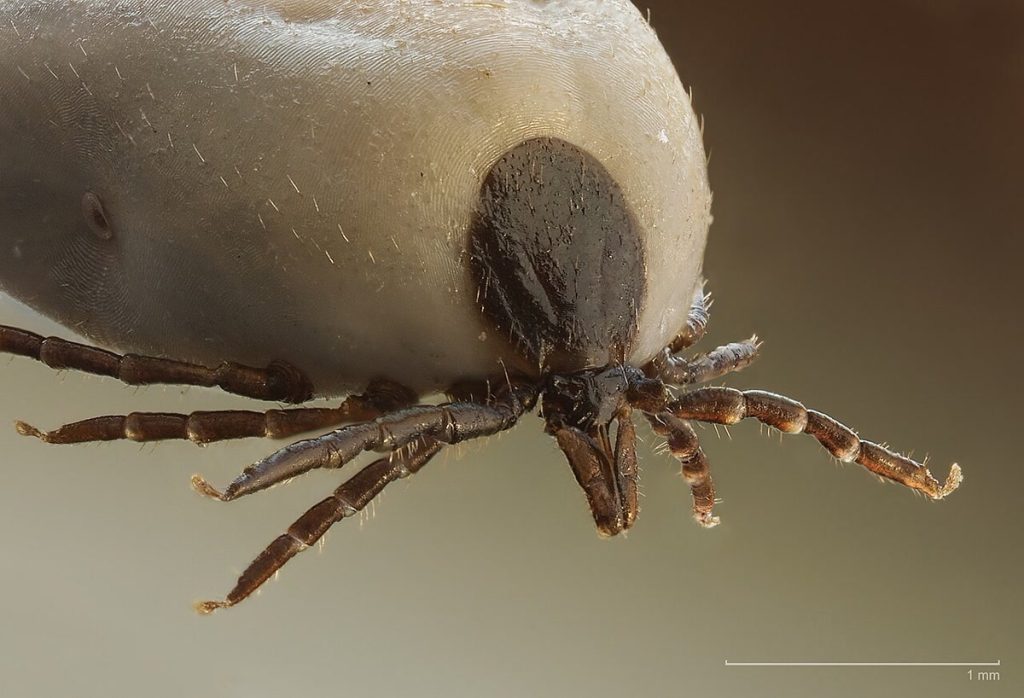
Ticks do not tunnel completely under the skin. They push their mouthparts into the skin to feed, and a feeding tick swells with blood while the head end stays attached. On a dog with thick fur, the body can look like a small grey or tan bump, and the front part may seem sunk into the skin, which is why owners often say the tick is “buried” or “embedded”. What looks like a hidden head is often just the mouthparts and a bit of puffy, irritated skin around them.
What you need before you start
- A tick removal tool or fine-tipped tweezers.
- Disposable gloves, if you have them.
- A small sealable container or bag.
- Treats and another person to help keep the dog calm.
- Soap and water, or a pet-safe antiseptic recommended by your vet.
- A good light, and a comb to part the fur.
How to remove an embedded tick, step by step
- Put on gloves, because ticks can carry disease and you want to avoid touching them with bare skin.
- Settle your dog with treats and get a helper to hold or distract them.
- Part the fur so you can see exactly where the tick is attached.
- Grip the tick as close to the skin as possible with the tool or tweezers, taking hold of the mouth end rather than the swollen body.
- Pull straight out with steady, even pressure. Do not twist, jerk or squash the body, as that can leave mouthparts behind or push fluids into the bite.
- Clean the bite and your hands with soap and water or a vet-suggested antiseptic.
- Put the tick in a sealed container with the date. Your vet may want to identify it, particularly if your dog becomes unwell.
Do not use heat, nail polish, petroleum jelly, alcohol or oil to make the tick let go. These methods are not reliable and may cause the tick to release more saliva into the bite.
Is the head still in?
Heads rarely detach cleanly on their own; it is mouthparts that sometimes break off. If you see a tiny dark dot at the bite after removing the body, it may be a small piece of mouthpart or just a scab. Do not dig at it with a needle. Most such fragments are pushed out by the body over time, but a persistent lump, discharge or pain deserves a vet check. Your vet can examine the site and clean it professionally if needed.
What is normal and what is not
| What you see | Usually means | What to do |
|---|---|---|
| Small red bump for a few days | Normal skin reaction | Keep clean, monitor |
| Tiny dark speck at the site | Scab or small mouthpart remnant | Leave it, watch for changes |
| Spreading redness, heat, pus | Possible infection | Call your vet |
| Lethargy, fever, poor appetite | Possible tick-borne illness | Call your vet promptly |
| Lameness or stiff joints | Possible tick-borne disease | See your vet |
| Pale gums, weakness | Serious; possible blood loss or illness | Seek urgent veterinary help |
Tick-borne illness: what to watch for
Not every tick carries disease, but some can pass on infections such as Lyme disease and others, depending on where you live. Signs may not appear immediately and can be vague, such as tiredness, fever, reduced appetite, joint pain or lameness. If your dog seems off in the weeks after a tick bite, tell your vet about the bite. Keep the dated tick if you saved one. For general animal welfare and health advice, the RSPCA and Dogs Trust publish owner guidance.
When to phone your vet straight away
- You cannot remove the tick or are unsure how.
- The tick is near the eye, in the ear canal or in a skin fold that is hard to reach.
- The skin around the bite becomes very red, swollen or oozing.
- Your dog is a puppy, elderly or has an existing health condition.
- Your dog becomes unwell after a tick bite.
- You find many ticks at once.
If you need to find a practice, we have a guide to Vets for Pets on Newport Road in Cardiff as an example of what to check about a clinic, and a note on the Cardonald Cat and Dog Home in Glasgow for readers in Scotland who are interested in animal welfare.
Preventing ticks in future
- Ask your vet about a tick preventive that suits your dog’s size, age and lifestyle. Do not use a product made for another species.
- Check your dog after walks, especially through long grass, woodland and heath. Run your hands over the legs, belly, ears, neck and between the toes.
- Keep lawns trimmed and clear leaf litter in the garden.
- Check yourself and children too, since ticks bite people.
- Use a consistent routine, such as a weekly body check.
Frequently asked questions
What if the tick head is still in my dog?
True head separation is uncommon. If you see a speck left behind, leave it alone, keep the area clean and monitor. Phone your vet if the area looks inflamed or lumpy.
Should I save the tick?
It can help. Put it in a sealed container with the date, as your vet may want to identify it if your dog becomes unwell.
Can I use Vaseline or nail polish to make it back out?
No. These methods are not reliable and may stress the tick into releasing more saliva. Use a proper tool.
How long does a tick need to be attached to pass on disease?
The risk generally rises the longer a tick feeds, which is why prompt removal is advised. Your vet can discuss the risks in your area.
Do I need to take my dog to the vet after removing a tick?
Not always. If the tick came out cleanly and your dog is well, you can monitor at home. Call the vet if there are signs of infection, illness or any doubt.
Conclusion
An embedded tick looks alarming but is usually simple to deal with: use the right tool, pull steadily, clean the area and watch your dog over the following weeks. When in doubt, a quick call to your vet is the safest next step, and a regular preventive makes the problem far less likely.
Key takeaways about buried embedded tick on dog
Here is a short summary of buried embedded tick on dog so you can find the main points quickly.
- Ticks do not tunnel completely under the skin.
- Do not use heat, nail polish, petroleum jelly, alcohol or oil to make the tick let go.
- Heads rarely detach cleanly on their own; it is mouthparts that sometimes break off.
- Not every tick carries disease, but some can pass on infections such as Lyme disease and others, depending on where you live.
Use this page as a starting point for buried embedded tick on dog and come back to it when your situation changes.
Good decisions about buried embedded tick on dog come from checking the facts, comparing your options and taking your time.
Save this guide to buried embedded tick on dog so you can find it again whenever you need a quick reminder.
If you only remember one thing about buried embedded tick on dog, make it the practical steps covered in this guide.
Check official sources before acting on anything related to buried embedded tick on dog, because details can change over time.
Questions about buried embedded tick on dog are common, so it helps to compare more than one trustworthy source.
Related reading:
- What Is White Fish? Types, Taste, Nutrition and How to Cook It
- Substitute for Egg in Meatballs: 8 Options That Work
For general background, you can look up buried embedded tick on dog on Wikipedia.