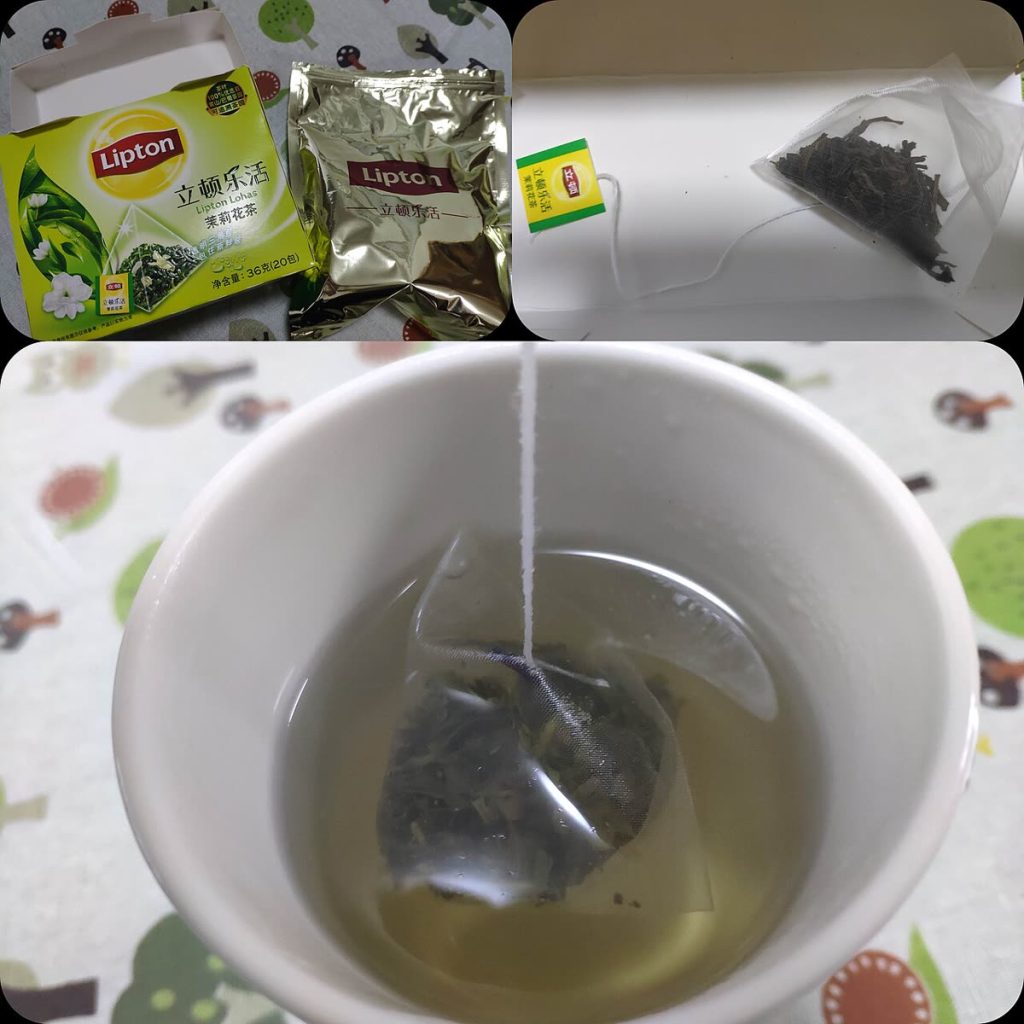
How long should you let a tea bag steep? For most black tea bags, about 3 to 5 minutes in freshly boiled water, for green tea about 2 to 3 minutes in cooler water, and for herbal teas around 5 to 7 minutes. The instructions on the pack are the best starting point, and then you can adjust to taste.
Key takeaways
- Black tea: just-boiled water, about 3 to 5 minutes.
- Green and white tea: cooler water and shorter steeping to avoid bitterness.
- Herbal infusions and rooibos can steep for 5 to 7 minutes or longer.
- Too long makes tea bitter; too short makes it weak, so adjust in 30-second steps.
- Use fresh water and a warmed cup or pot for the best flavour.
A quick steeping chart
| Type of tea | Water temperature | Steeping time |
|---|---|---|
| Black tea | Just boiled (about 100°C / 212°F) | 3 to 5 minutes |
| Green tea | Hot, not boiling (about 70 to 80°C / 160 to 175°F) | 2 to 3 minutes |
| White tea | Hot, not boiling (about 75 to 85°C / 170 to 185°F) | 2 to 4 minutes |
| Oolong tea | Hot (about 85 to 95°C / 185 to 205°F) | 3 to 5 minutes |
| Herbal or fruit infusion | Just boiled | 5 to 7 minutes |
| Rooibos | Just boiled | 5 to 7 minutes |
These are typical ranges, not strict rules. Leaf size, blend and brand vary, and strong breakfast teas often stand up to a longer brew than delicate teas. Twinings and other tea makers print guidance on their packs and websites; the Twinings site is one example.
What happens when you steep too long
Tea releases its flavour in stages. Early on you get aroma and lighter notes, and later more tannins come out, which taste bitter and dry. Over-steeped green tea is the classic bitter cup, because its leaves give up tannins quickly in hot water. Black tea is more forgiving, but a long brew turns harsh. If a cup tastes bitter, shorten the time or lower the water temperature before blaming the brand.
What happens when you steep too briefly
A short brew gives a pale, watery cup with little body. If yours tastes thin, add 30 seconds at a time until you find the sweet spot. Squeezing the bag against the spoon can force out extra bitterness, so lift it out gently instead and let it drain for a moment.
Step by step: a better cup
- Start with fresh cold water. Reboiled water can taste flat because it loses dissolved oxygen.
- Heat to the right temperature. Boil for black and herbal; let the kettle sit for a minute or two for green and white.
- Warm the cup. A splash of hot water swirled around keeps the brew hot.
- Add the bag and pour the water. Pouring over the bag helps the leaves move and release flavour.
- Set a timer. Use your phone, not guesswork.
- Remove the bag. Do not squeeze hard; lift it out and let it drip.
- Add milk, lemon or sweetener as you like. Taste before you add extras.
Tips for fine-tuning
- Cover your mug with a saucer while steeping to hold the heat.
- Use a pot for several cups. A teapot keeps the brew warm, but remove bags or leaves if it stands too long.
- Try different brands. Teas vary in leaf grade and blend, so a strong builder’s tea can differ a lot from a delicate Darjeeling.
- Test water quality. Hard water can dull flavour; filtered water may improve it.
- Iced tea: Brew double strength with hot water and pour over ice, or steep cold for several hours in the fridge.
For background on tea types, the Wikipedia tea article is a good overview.
Caffeine and health notes
Steeping longer extracts somewhat more caffeine, but not dramatically; the bigger factors are the type of tea, the amount of leaf and the water temperature. If you are sensitive to caffeine or pregnant, ask a doctor or pharmacist for advice about intake, and check that herbal blends are suitable. Unsweetened tea is a common drink during intermittent fasting windows, and our post on chewing gum while intermittent fasting covers the other small questions that come up. A used, cooled tea bag is also a popular home compress, and our advice on reducing puffy eyes from crying explains how much to expect from it.
Common mistakes with tea bags
Several small habits can undermine a decent cup. Pouring water that has gone off the boil onto black tea gives a flat result, so pour straight after the kettle clicks off. Squashing the bag into a thick, dark liquid releases bitterness and does not make the tea stronger in a pleasant way. Stirring the bag round and round does little good after the first moments. Leaving the bag in the mug while you answer emails means you drink the strongest, most astringent tea at the bottom. And using a mug that is cold when the water goes in drops the temperature quickly, which hurts flavour, especially for green tea.
Tea bag, loose leaf or pot?
Tea bags are quick and consistent, and many modern bags contain larger leaf pieces than the old fannings. Loose leaf tea has more room to expand and often gives a more nuanced flavour, but it needs a strainer or infuser and a little more time. A teapot is best when serving several people, since the tea stays hot and you can pour out when ready. If you use a pot, warm it first, and use one bag per person or follow the pack guidance. Whichever method you choose, the principles are the same: good water, the right temperature, a timer and tasting. Keep your tea in an airtight tin away from light, heat and strong smells, because old or badly stored tea tastes dull however carefully you brew it.
Frequently asked questions
How long should black tea steep?
Usually 3 to 5 minutes in boiling water. Go towards the shorter end for a lighter cup and the longer end for strong tea.
Can I leave the tea bag in?
You can, but the tea will get stronger and more bitter over time. Remove it once the colour and flavour suit you.
Why is my green tea bitter?
The water may be too hot or the steeping time too long. Use cooler water and 2 to 3 minutes.
Is it safe to reuse a tea bag?
Yes, for a weaker second cup, though flavour is reduced. Use it soon after the first brew and do not leave it sitting for hours.
Does milk go in before or after?
That is personal preference. Many people add milk after steeping so they can judge the colour and strength.
Conclusion
How long should you let a tea bag steep? Follow the pack, keep to the ranges in the chart, and adjust in short steps until your cup tastes right. Good water, the right temperature and a timer matter more than any fancy equipment.
Key takeaways about how long should you let a tea bag steep
Here is a short summary of how long should you let a tea bag steep so you can find the main points quickly.
- How long should you let a tea bag steep?
- A short brew gives a pale, watery cup with little body.
- For background on tea types, the Wikipedia tea article is a good overview.
- Steeping longer extracts somewhat more caffeine, but not dramatically; the bigger factors are the type of tea, the amount of leaf and the water temperature.
Check official sources before acting on anything related to how long should you let a tea bag steep, because details can change over time.
Questions about how long should you let a tea bag steep are common, so it helps to compare more than one trustworthy source.
Use this page as a starting point for how long should you let a tea bag steep and come back to it when your situation changes.
Good decisions about how long should you let a tea bag steep come from checking the facts, comparing your options and taking your time.
Save this guide to how long should you let a tea bag steep so you can find it again whenever you need a quick reminder.
Related reading:
- MacBook Cast to Roku: How to Mirror Your Mac to a Roku TV
- What Does PF Chang Stand For? The Meaning Behind the Name
For general background, you can look up how long should you let a tea bag steep on Wikipedia.