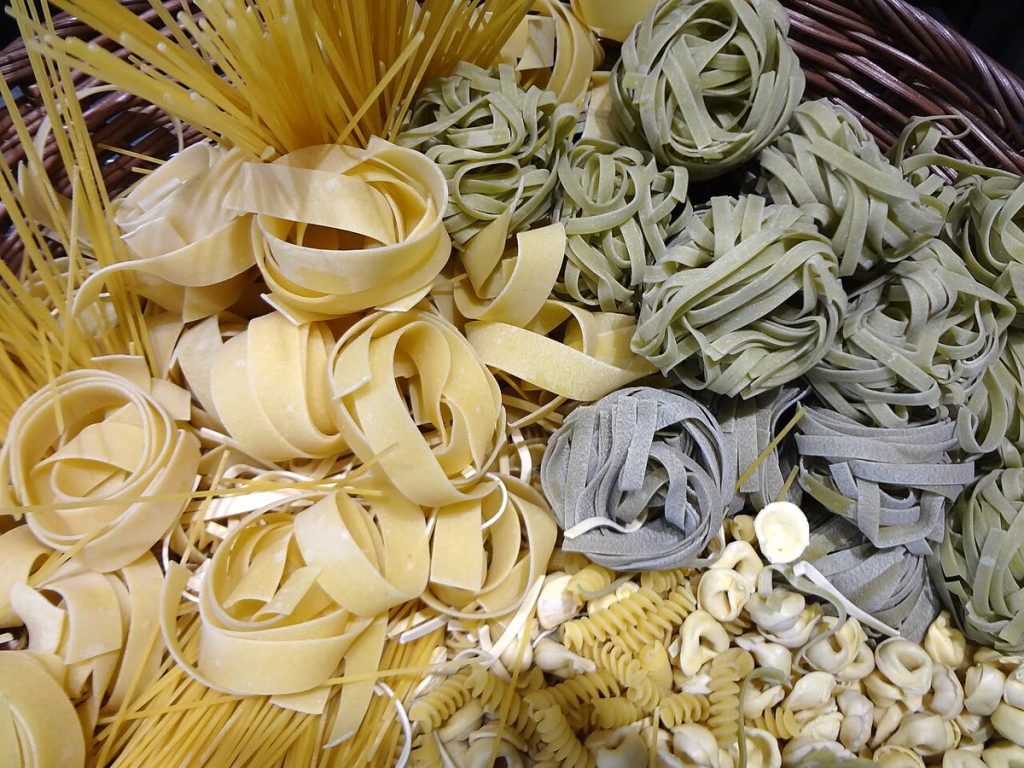
The al dente cooking definition is simple: it is an Italian phrase meaning “to the tooth”, used for pasta, rice or vegetables that are cooked through but still pleasantly firm when you bite them. Al dente food has a little resistance in the centre, never a hard or chalky core, and never a soft, mushy texture.
Key takeaways
- Al dente means cooked but still slightly firm to the bite.
- Start tasting a couple of minutes before the packet time.
- Finish pasta in the sauce for the best flavour and texture.
- The idea also applies to rice, gnocchi, beans and vegetables.
The al dente cooking definition and where it comes from
The phrase comes from Italian and literally translates as “to the tooth”. It describes how food feels when you bite it. In Italian cooking it is the standard for pasta, and it is covered on Wikipedia’s al dente page. Beyond pasta, cooks use the term for risotto rice, beans and many vegetables such as green beans, broccoli and asparagus. Al dente pasta holds its shape better under a sauce, feels more satisfying to eat and has a slower effect on blood sugar for some people, though that depends on the whole meal.
Texture is a matter of taste, and in Italy many cooks would say al dente is a rule rather than a preference. Elsewhere, people often cook pasta longer, and that is fine for children, older people or anyone who prefers it soft. The point is to know what you are aiming for and to choose it on purpose, rather than ending up with mush because the timer ran on.
Thickness also changes the target. Thin pasta like angel hair needs only a couple of minutes, while chunky shapes such as rigatoni or large shells need longer and may keep a slightly firmer centre for longer than you expect.
How to tell when pasta is al dente
Packet times are a guide, not a rule. Pot size, water temperature and the shape and brand of pasta all change timing. The best test is to taste.
- Set a timer for two minutes less than the packet time.
- Lift out a piece and bite it. Look at the cut end too.
- If you see a small white, slightly opaque dot in the centre, it is nearly there. If the centre is chalky or hard, give it another minute.
- When you can feel a gentle firmness, drain the pasta, saving a cup of cooking water.
Remember that pasta keeps cooking from residual heat, especially when it goes into a hot sauce. For that reason, many cooks pull it out a minute early.
The method that works every time
Use a big pot and plenty of water
A large pot keeps the water at a rolling boil once the pasta goes in, which prevents sticking and gummy texture. A common guide is about a litre of water for every 100 grams of pasta.
Salt the water well
Add salt once the water boils. The water should taste pleasantly salty, like mild sea water. It is your main chance to season the pasta itself.
Stir early, then leave it
Stir in the first minute so the pieces do not stick together. Do not add oil to the water, because it can make pasta slippery and stop sauce from clinging.
Finish in the sauce
Move the drained pasta into the pan with your sauce, add a splash of cooking water and toss over the heat for a minute or so. The starch in the water helps the sauce become glossy and cling to every piece. Our page on what bolognese is has more on classic pasta sauces.
Texture guide
| Stage | How it feels | What to do |
|---|---|---|
| Undercooked | Hard, chalky centre | Cook a minute longer and test again |
| Al dente | Tender outside, slight resistance in the middle | Drain and finish in sauce |
| Soft | No resistance, a little floppy | Fine for some dishes, but it will not hold up well in sauce |
| Overcooked | Mushy, falling apart | Next time, start tasting earlier |
Al dente beyond pasta
- Rice: risotto should be creamy but with a firm bite in each grain. If you cook rice for other dishes, the ratio of water matters, and our notes on the water to rice ratio for jasmine help you get tender results.
- Vegetables: blanch for a few minutes, then cool in cold water to keep colour and crunch.
- Beans and lentils: check for a tender centre, while avoiding a mushy skin.
- Gnocchi and dumplings: these are ready soon after they float.
If you are saving leftovers, our advice on whether you can reheat risotto the next day shows how to keep rice dishes safe.
Common mistakes
- Following the packet time without tasting
- Using too little water, which leads to sticky pasta
- Rinsing pasta, which washes away helpful starch for hot dishes
- Leaving drained pasta waiting while you finish the sauce
- Cooking fresh pasta for as long as dried. Fresh pasta usually takes only a few minutes
Dried pasta in a hurry? Choose thinner shapes like spaghetti or fusilli. For baked dishes such as lasagne, undercook the pasta slightly, since it finishes cooking in the oven.
Frequently asked questions
What does al dente mean in cooking?
It means cooked but still firm to the bite, from the Italian for “to the tooth”.
How long does it take to cook pasta al dente?
Start tasting about two minutes before the packet time. The exact time depends on the shape and brand.
Is al dente pasta safe to eat?
Yes, as long as the centre is not hard or raw. Al dente is cooked, not undercooked.
Can I make pasta al dente in the microwave?
You can, but timing varies. Follow the container instructions, check often and drain at once.
Is al dente only for pasta?
No. Rice, beans, gnocchi and many vegetables are also cooked to a pleasant bite.
Conclusion
Knowing the al dente cooking definition helps you serve better pasta and vegetables. Taste early, use plenty of salted water, save some cooking water and finish in the sauce, and you will get tender food with a satisfying bite every time.
Key takeaways about al dente cooking definition
Here is a short summary of al dente cooking definition so you can find the main points quickly.
- The al dente cooking definition is simple: it is an Italian phrase meaning "to the tooth", used for pasta, rice or vegetables that are cooked through but still pleasantly firm when you bite them.
- The phrase comes from Italian and literally translates as "to the tooth".
- Texture is a matter of taste, and in Italy many cooks would say al dente is a rule rather than a preference.
- Packet times are a guide, not a rule.
Good decisions about al dente cooking definition come from checking the facts, comparing your options and taking your time.
Save this guide to al dente cooking definition so you can find it again whenever you need a quick reminder.
If you only remember one thing about al dente cooking definition, make it the practical steps covered in this guide.
Related reading:
- Second Class Lever: Definition, Examples and How It Works
- Aaliyah Plane Crash: What Is Publicly Known and Where to Read
For general background, you can look up al dente cooking definition on Wikipedia.