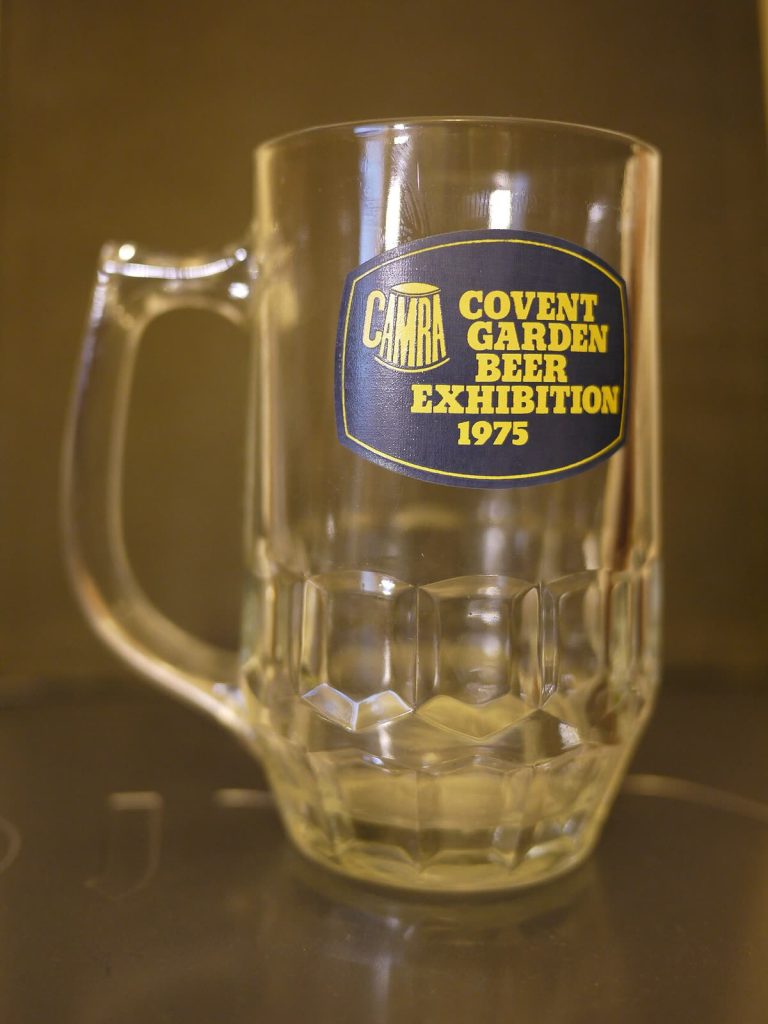
How many ounces is 1/2 pint? In the United States, half a liquid pint is 8 fluid ounces, which is exactly one cup or about 237 ml. In the UK, half an imperial pint is 10 imperial fluid ounces, or about 284 ml. The two answers differ because the American and British pints are different sizes, so the first step is always to work out which pint your recipe or glass refers to.
Key takeaways
- US half pint: 8 US fl oz, 1 cup, roughly 237 ml.
- UK half pint: 10 imperial fl oz, roughly 284 ml, a little over a US cup.
- Fluid ounces measure volume; ounces on a kitchen scale measure weight, and they are not interchangeable.
- When converting between countries, switch to millilitres first.
Which half pint do you have?
Rather than memorising two answers, ask where the measurement came from. A short checklist usually settles it.
- Is it an American recipe, an American product label or a US canning jar? Use 8 US fluid ounces.
- Is it a British recipe, a pub order or a UK milk bottle? Use 10 imperial fluid ounces.
- Is the item a fruit or vegetable sold in a small tub, such as berries or cherry tomatoes in the US? That may be a dry pint, covered below.
- Is the source old, or from Canada, Australia or another country that once used imperial measures? Look for ml on the label, and trust that over the word pint.
The numbers side by side
| Measure | Fluid ounces | Millilitres (approx.) | Notes |
|---|---|---|---|
| US liquid half pint | 8 US fl oz | 237 ml | 1 cup; 16 tablespoons |
| UK half pint | 10 imperial fl oz | 284 ml | About 1.2 US cups |
| US dry half pint | Not usually given in fl oz | about 275 ml | For berries, tomatoes and similar produce |
| US full pint | 16 US fl oz | 473 ml | 2 cups |
| UK full pint | 20 imperial fl oz | 568 ml | The pub pint |
Why the pints are different
The two systems share a name and a story, but they were fixed at different times. The US pint comes from the older English wine measure that the American colonies inherited. Britain later standardised the imperial gallon in 1824, which made its pint and its fluid ounce different from the American ones. An imperial fluid ounce is slightly smaller than a US fluid ounce, roughly 28.4 ml against 29.6 ml, but the imperial pint holds 20 of them where the US pint holds 16. The result is that a British pint is about 20 percent bigger overall.
If you want the same story told from the full-pint angle, the posts on what a pint equals in ounces, cups and millilitres and on a pint of beer in ml cover it.
Fluid ounces are not weight ounces
A very common stumble is treating an ounce as a single unit. A fluid ounce is a measure of space, and a weight ounce is a measure of how heavy something is. Water is convenient because one US fluid ounce weighs about one ounce, so people assume it works for everything. It does not. Eight fluid ounces of honey weighs far more than eight ounces of water by weight, while eight fluid ounces of loosely packed flour weighs much less, often in the region of four to five ounces depending on how it is scooped.
If an ingredient list says “8 oz flour”, it almost always means weight, so use scales. If it says “8 fl oz milk” or “half a pint of milk”, it means volume, and a measuring jug is the right tool.
Half a pint in everyday life
In the American kitchen
Half a pint equals one cup, which is also 16 tablespoons or roughly 237 ml. Small cartons of cream, jars of jam and many canning jars use this size. Canning guides often call the 8-ounce jars “half-pints”, but remember that you fill them a little below the rim for headspace, so you will not get a full 8 fluid ounces of food in each.
In a British pub
Ordering “a half” gets you half an imperial pint, about 284 ml, in a glass marked with a crown stamp or a line. In the UK, draught beer and cider must be sold in specified measures, and official guidance on those rules is on GOV.UK.
In baking
Old British recipes sometimes call for “half a pint of milk” or “half a pint of water”. If you are baking from such a recipe with American cups, treat it as about 1 1/4 cups rather than 1 cup, since the difference of roughly 47 ml can matter in batters and sauces.
A note on dry pints
The US also has a dry pint for produce, about 551 ml. A half dry pint is about 275 ml. The container is measured by volume, but what you get is whatever fits in the box, so the weight of strawberries or tomatoes will vary. This unit rarely shows up in liquid recipes, but it explains why a pint of blueberries and a pint of milk do not hold exactly the same amount.
Simple conversion habits
- US recipes: pints times 2 give cups; pints times 16 give fluid ounces.
- UK recipes: pints times 20 give imperial fluid ounces; pints times about 568 give millilitres.
- Between the two, use millilitres, because it removes any confusion about which ounce you mean.
- Buy a measuring jug marked in ml, cups and fl oz. It saves a lot of arithmetic.
- For baking, scales beat jugs. Weigh flour, sugar and butter in grams.
If you are also tackling dry-measure questions, the explainer on dry pints goes further.
Frequently asked questions
Is half a pint the same as 1 cup?
In the US, yes: 8 fluid ounces is one US cup. A UK half pint is about 20 percent larger, so it is not the same as a cup.
How many ml is half a pint?
About 237 ml for a US liquid half pint and about 284 ml for a UK half pint.
How many tablespoons are in half a pint?
A US half pint is 16 US tablespoons. For a UK half pint, divide millilitres by roughly 15 to 20 depending on the spoon standard your recipe uses, or just use ml.
Does half a pint of flour weigh 8 ounces?
No. Eight fluid ounces of flour is a volume, and the weight is usually closer to four or five ounces depending on packing. Weigh flour if you need accuracy.
Why does my recipe say pint if I am in Canada or Australia?
Both countries moved to metric, but older recipes and some labels still use imperial or US pints. Check for ml on the packaging, and when in doubt use the metric figure.
Conclusion
The answer to how many ounces is 1/2 pint depends on geography: 8 US fluid ounces for an American half pint, 10 imperial fluid ounces for a British one. Work out which pint you are dealing with, keep volume and weight separate, and let millilitres do the translating.
Key takeaways about how many ounces is 1/2 pint
Here is a short summary of how many ounces is 1/2 pint so you can find the main points quickly.
- Rather than memorising two answers, ask where the measurement came from.
- The two systems share a name and a story, but they were fixed at different times.
- If you want the same story told from the full-pint angle, the posts on what a pint equals in ounces, cups and millilitres and on a pint of beer in ml cover it.
- A very common stumble is treating an ounce as a single unit.
Good decisions about how many ounces is 1/2 pint come from checking the facts, comparing your options and taking your time.
Save this guide to how many ounces is 1/2 pint so you can find it again whenever you need a quick reminder.
If you only remember one thing about how many ounces is 1/2 pint, make it the practical steps covered in this guide.
Check official sources before acting on anything related to how many ounces is 1/2 pint, because details can change over time.
Questions about how many ounces is 1/2 pint are common, so it helps to compare more than one trustworthy source.
Use this page as a starting point for how many ounces is 1/2 pint and come back to it when your situation changes.
Related reading:
- Is Pepperoni Pork? What Is Really in Pepperoni
- Why a Smoke Detector Blinks Red: What It Means and What to Do
For general background, you can look up how many ounces is 1/2 pint on Wikipedia.