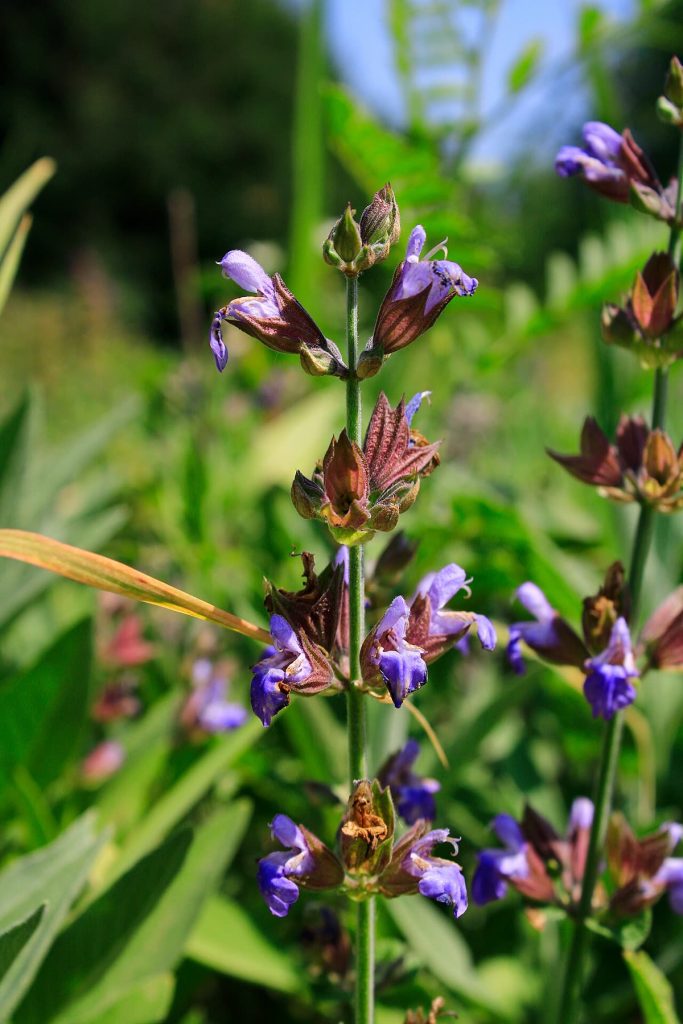
If you are asking is sage bad for cats, the reassuring answer is that common culinary sage (Salvia officinalis) is generally listed as non-toxic to cats. A nibble of a leaf is unlikely to cause serious harm. The real concerns are concentrated sage essential oil, burning sage smoke and eating large amounts, all of which can cause problems. When in doubt, call your vet.
Key takeaways
- Fresh or dried culinary sage is usually considered non-toxic to cats in small amounts.
- Sage essential oil is concentrated and can be harmful, so keep it away from cats.
- Smoke from burning sage bundles can irritate a cat’s airways.
- If your cat shows symptoms after eating a plant, contact a vet promptly.
Is sage bad for cats? Plant safety explained
Garden sage is a member of the mint family and is widely grown for cooking. Pet-safety lists, including the one kept by the ASPCA, class common sage as non-toxic to cats, dogs and horses. That does not mean cats should eat it freely. Cats are obligate carnivores, which means their bodies are designed for meat, and plants give them no real nutritional benefit. A chewed leaf may cause a little stomach upset, such as drooling, vomiting or loose stools, but serious poisoning from the leaf is not expected.
Why the species matters
Not every plant called sage is the same. Culinary sage, clary sage, pineapple sage and ornamental salvias are all related, but different species can differ in their oils and effects. Some ornamental plants sold as sage, such as Russian sage, are not true sages at all. If you are not sure which plant you have, find the Latin name on the label and check it against a trusted pet-safe plant list or ask your vet.
It also helps to understand why cats sometimes chew plants at all. Many do it out of boredom or curiosity, to soothe an upset stomach, or simply because the texture is interesting. Providing safe alternatives such as cat grass, plenty of play and window perches reduces the temptation to nibble your herbs.
Where the real risks come from
| Form | Risk level | Notes |
|---|---|---|
| Fresh garden leaves | Low | May cause mild tummy upset if eaten in quantity |
| Dried cooking sage | Low | Keep jars closed. Large amounts can upset digestion |
| Essential oil | High | Concentrated compounds can be harmful if swallowed or absorbed through skin |
| Burning sage smoke | Moderate | Smoke can irritate eyes and lungs, especially in small spaces |
| Food seasoned with sage, onion or garlic | High | The onion family is the issue, not the sage |
The last row matters. Sage often appears in stuffing and sausages alongside onion and garlic, which are harmful to cats. If your cat has swallowed some of your roast dinner, the sage is the least of your worries.
Essential oils and diffusers
Cats process some compounds in essential oils very slowly because their livers lack certain enzymes. That makes concentrated oils, including sage and clary sage oil, a risk through skin contact, licking and even prolonged inhalation in a small, closed room. If you use a diffuser, keep the room ventilated, make sure your cat can leave, and never apply oils directly to your pet. If your cat has spilled or licked any, call a vet right away and take the bottle with you.
Burning sage and smudging
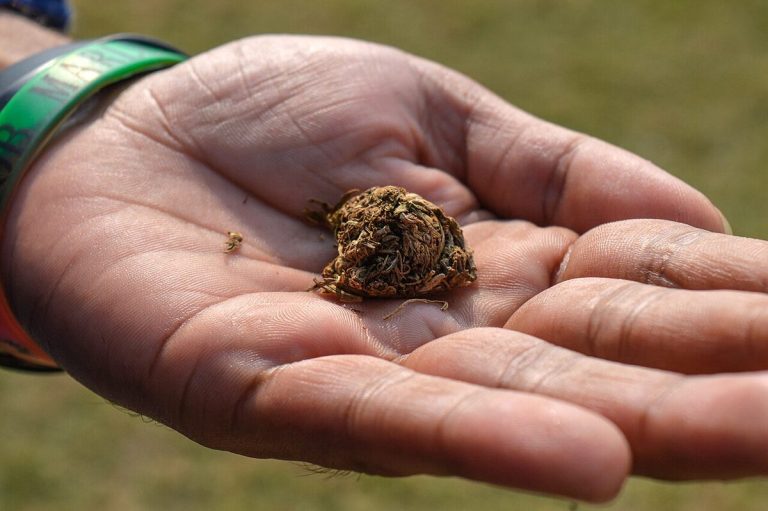
Burning a bundle of sage is a tradition for many people, but smoke can be harsh on animals with small lungs. Cats with asthma or other breathing problems are particularly sensitive. If you want to burn sage, do it in a well-ventilated room with your cat out of the space, then air the room thoroughly before letting the cat back in. Place the bundle in a fireproof dish where curious paws cannot knock it over.
What to do if your cat eats sage
- Remove any remaining plant or product from your cat’s reach.
- Check the mouth for leaf pieces and offer fresh water.
- Note how much was eaten and what form it was, then keep the packaging or a sample of the plant.
- Watch for vomiting, diarrhoea, drooling, lethargy, tremors or breathing changes.
- Call your vet or an out-of-hours animal poison service if you see symptoms, or if the product was oil or contained onion or garlic.
Do not try to make your cat vomit unless a vet tells you to do so. This is general information and not veterinary advice.
Growing sage if you have cats
If you grow herbs, sage is generally a reasonable choice around cats, especially compared with plants such as lilies, which are dangerous. To limit nibbling, grow pots out of reach, offer cat grass as a safe alternative, and keep indoor pots on high shelves. Learn more about the plant itself on Wikipedia’s common sage page. If you are interested in other herbs, our look at the health benefits of lovage may be useful for your own cooking.
Keeping your cat happy and safe
Most plant trouble can be prevented by knowing what is in your house and garden. Keep a list of the plants you own, check each against a reliable source, and put the vet’s number somewhere easy to find. If you need pet supplies, see our local guide to Pets at Home in Ilford.
Frequently asked questions
Is sage bad for cats if they eat a leaf?
Usually no. Common culinary sage is considered non-toxic, though a large amount may upset the stomach.
Is sage essential oil safe for cats?
No. Concentrated oils can be harmful to cats, so keep them away from your pet and do not apply them to its fur.
Can I burn sage around my cat?
It is best to avoid it. Smoke can irritate airways, so keep your cat out of the room and ventilate well afterwards.
Is sage stuffing safe for cats?
Not as a treat. It often contains onion and garlic, which are harmful to cats.
What are signs of plant poisoning in cats?
Vomiting, drooling, diarrhoea, tremors, weakness or trouble breathing. Contact a vet quickly if you see any of these.
Conclusion
So, is sage bad for cats? The plant itself is generally low risk, but oils, smoke and onion-heavy sage dishes are not. Keep potent products out of reach, watch your cat around burning herbs, and call your vet if you are worried.
Key takeaways about is sage bad for cats
Here is a short summary of is sage bad for cats so you can find the main points quickly.
- If you are asking is sage bad for cats, the reassuring answer is that common culinary sage (Salvia officinalis) is generally listed as non-toxic to cats.
- Garden sage is a member of the mint family and is widely grown for cooking.
- Not every plant called sage is the same.
- It also helps to understand why cats sometimes chew plants at all.
Check official sources before acting on anything related to is sage bad for cats, because details can change over time.
Questions about is sage bad for cats are common, so it helps to compare more than one trustworthy source.
Related reading:
- Coastal The Dalles Oregon: Store and Area Visit Guide
- What’s the Difference Between Iodized and Plain Salt?
For general background, you can look up is sage bad for cats on Wikipedia.