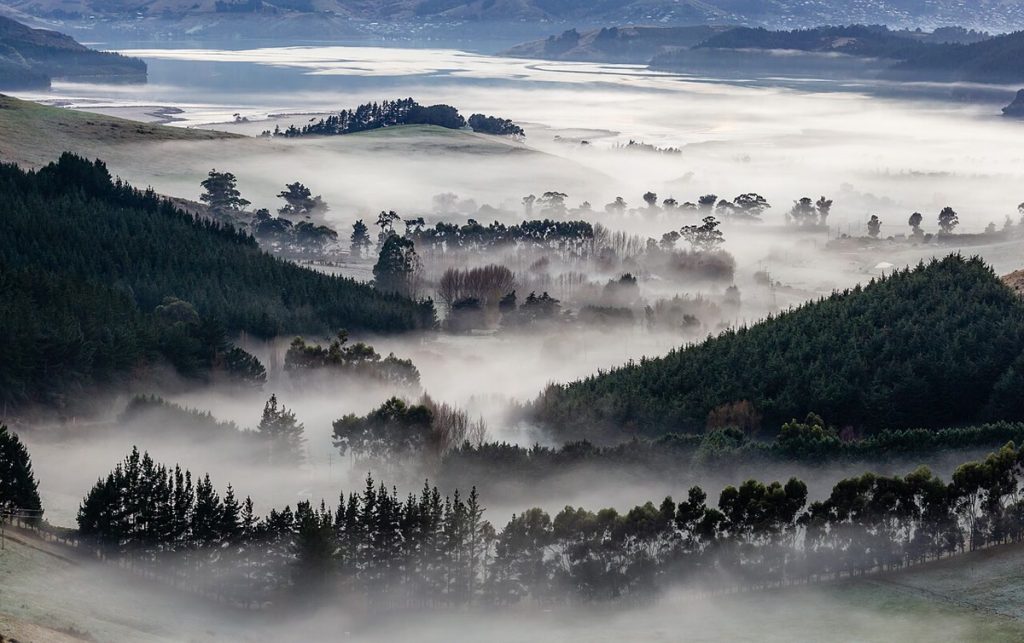
The summer temp in New Zealand is generally warm rather than scorching. Summer runs from December to February, and daytime highs commonly sit in the low to mid 20s Celsius across much of the country, with warmer days in the north and east and cooler ones in the south. Weather changes quickly, so layers and sun protection matter as much as swimwear.
Key takeaways
- New Zealand summer runs from December to February.
- Daytime temperatures are usually warm, with the north milder and the far south cooler.
- Strong sun, changeable weather and cool evenings are all normal.
- Check MetService for forecasts and pack layers, sunscreen and a rain jacket.
Summer temp in New Zealand: the big picture
New Zealand is a long, narrow country in the southern hemisphere, so its summer comes at the opposite time to Europe and North America. December, January and February are the warmest months, with school holidays and Christmas at the start of the season.
The country’s shape and mountains create plenty of local variety. The North Island is generally milder than the South Island, and coastal places often feel different from inland valleys. Typical summer days are pleasant, but they are rarely uniform from one week to the next. For a broad overview, see the climate of New Zealand on Wikipedia.
Regional differences
Use the table as a general guide to what you might feel, not as a forecast. Exact values change from year to year.
| Region | General summer feel |
|---|---|
| Northland and Auckland | Warm and humid, with beach weather and occasional heavy showers |
| Bay of Plenty and Hawke’s Bay | Sunny and warm, among the sunnier parts of the country |
| Wellington | Mild and often windy, with changeable conditions |
| Nelson and Marlborough | Sunny and dry-feeling, popular for beaches and vineyards |
| Canterbury | Warm days, sometimes hot, with cooler nights |
| Central Otago | Hot, dry days and cool nights, with big daily swings |
| Southland and Fiordland | Cooler and wetter, with fast-changing weather |
Sun and UV: the part many visitors underestimate
Even when the air feels mild, the sun can burn quickly. New Zealand is known for strong ultraviolet levels in summer, partly because of its clear air and latitude. You can burn in a short time, including on cloudy days and in cooler southern regions.
- Apply broad-spectrum sunscreen and reapply regularly.
- Wear a hat, sunglasses and long, light clothing during the middle of the day.
- Seek shade in the middle of the day.
- Drink water, especially when hiking or by the beach.
What to pack for a New Zealand summer
Layers are the secret. A warm afternoon can turn into a cool evening, and a sunny morning can end in rain.
- Shorts, t-shirts and swimwear for beach days
- A light fleece or jumper for evenings
- A waterproof jacket that packs small
- Comfortable walking shoes or boots
- Sandals or sturdy water shoes for rocky beaches
- A hat, sunglasses and high-factor sunscreen
- Insect repellent for some coastal and bush areas
If you are travelling from the northern hemisphere, remember that you are swapping a winter for a summer, so your body clock and wardrobe both need to adjust.
Weather changes and how to plan around them
New Zealand weather can switch fast, especially in the mountains and along the coast. A sunny forecast does not guarantee a dry hike. Always check the latest forecast on the MetService website before you set out, and heed local advice on high-country conditions.
- Start day trips early so you can finish before afternoon weather changes.
- Tell someone your plans if you are hiking.
- Carry extra layers and food on longer walks.
- Have a wet-weather option for each day, such as a museum, cafe or gallery.
Ideas for different kinds of trip
Your plans will shape how you experience the summer temp in New Zealand.
- Beach holiday: head north for the warmest sea and sunshine.
- Hiking: choose the South Island or national parks for long daylight and cooler air, with proper gear.
- City break: Auckland and Wellington are lively in summer, with festivals and waterfront walks.
- Wine and food: consider Marlborough, Hawke’s Bay and Central Otago.
Wildlife fans might also enjoy our piece on whether there are bears at the South Pole, and curious minds can compare seasonal sunshine with how far Saturn is from the Sun.
Month by month feel
The three summer months have slightly different characters, and knowing them helps you time a trip.
- December: long days, rising warmth and a festive mood, though cooler snaps can still arrive.
- January: usually the warmest and busiest month, with peak holiday crowds and the highest chance of hot, settled days.
- February: often warm and settled, with slightly quieter beaches once schools are back.
Daylight is a bonus. In summer the sun rises early and sets late, especially further south, which gives you plenty of time for evening walks and outdoor dinners.
Language and practical notes
English, Maori and New Zealand Sign Language are official languages, and a few Maori greetings are warmly received. For travellers who like learning greetings before a trip, see our post on how to say hi in Arabic for a model of how to pick up simple phrases quickly. Also remember that summer is peak season: book accommodation, rental cars and ferries early.
Finally, consider the cost of travel in school holidays and the benefits of the shoulder months of March and November, when crowds are lower and the weather is often still pleasant.
Frequently asked questions
What is the average summer temperature in New Zealand?
Daytime highs are commonly in the low to mid 20s Celsius, with variation by region and year. Check a local forecast for specifics.
Which months are summer in New Zealand?
December, January and February.
Is New Zealand hot in summer?
It is warm rather than extremely hot, though some inland areas have hot days. UV levels are high, so sun protection matters.
Which part of New Zealand is warmest in summer?
The north and some sunny eastern and northern regions tend to be warmest, while the far south is cooler.
Do I need a jacket in a New Zealand summer?
Yes, a light waterproof jacket and a warm layer are wise, especially for evenings, coasts and mountains.
Conclusion
The summer temp in New Zealand is friendly, but it comes with strong sun and quick weather swings. Plan for layers, protect your skin and check forecasts daily, and you will be ready for beaches, trails and city streets alike. Travel with flexibility and the season will reward you.
Key takeaways about summer temp in new zealand
Here is a short summary of summer temp in new zealand so you can find the main points quickly.
- The summer temp in New Zealand is generally warm rather than scorching.
- New Zealand is a long, narrow country in the southern hemisphere, so its summer comes at the opposite time to Europe and North America.
- The country's shape and mountains create plenty of local variety.
- Use the table as a general guide to what you might feel, not as a forecast.
Use this page as a starting point for summer temp in new zealand and come back to it when your situation changes.
Good decisions about summer temp in new zealand come from checking the facts, comparing your options and taking your time.
Related reading:
- How Long Do Mushrooms Last in the Fridge? Storage Tips
- Stanford University Best Majors: How to Judge Your Options
For general background, you can look up summer temp in new zealand on Wikipedia.