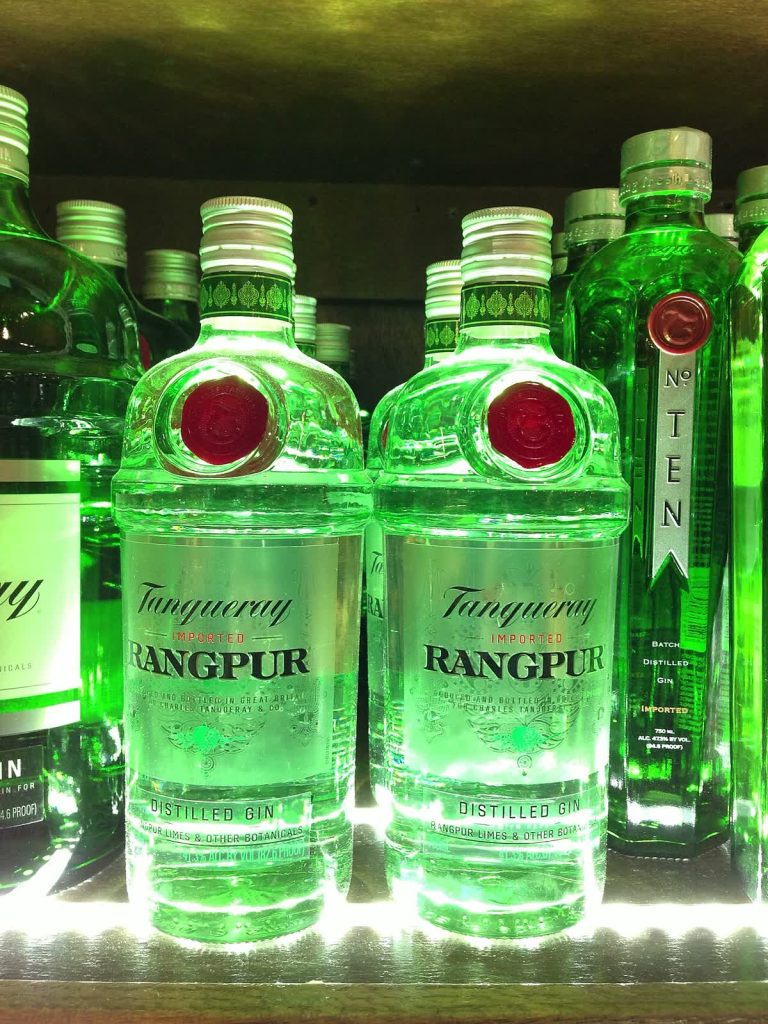
In the Tanqueray 10 vs Tanqueray comparison, the original Tanqueray London Dry is a classic juniper-led gin with a short list of dry botanicals, while Tanqueray No. Ten is a citrus-forward, smoother, premium gin made with fresh fruit. Ten costs more and is best when you want a bright, softer profile; the original is the better workhorse for long drinks and classic cocktails. Here is how they differ and which to buy for what.
Key takeaways
- London Dry is crisp, piney and peppery; No. Ten is brighter, floral and gentler on juniper.
- Ten is more expensive, so use it where its character shows rather than in heavily mixed drinks.
- Strength and price vary by country and bottle size, so read the label.
- Garnish with grapefruit for Ten and lime or a juniper-friendly twist for the original.
The original Tanqueray London Dry
The flagship gin is easy to spot by its green bottle, whose shape recalls a cocktail shaker. It is built on a short recipe: the brand lists four botanicals, juniper, coriander, angelica and liquorice. That small lineup gives a crisp, dry, pine-forward taste with a peppery finish and a clean, slightly spicy backbone. It has long been a staple in bars because it stands up to tonic, ice and other mixers without disappearing. If you want the style defined, the Wikipedia page on gin explains what the label requires, and Tanqueray’s own site at tanqueray.com describes its range.
Tanqueray No. Ten
No. Ten is a separate recipe rather than a stronger version of the original. It brings fresh citrus into the still, including grapefruit, orange and lime, along with chamomile and juniper and other botanicals. The brand says it is distilled in a small pot still nicknamed Tiny Ten, which forms part of its story. In the glass, it smells noticeably brighter and more floral than the original, and the juniper is rounder and less assertive. People often describe it as smooth, which suits sipping and spirit-forward cocktails.
Side by side
| Feature | Tanqueray London Dry | Tanqueray No. Ten |
|---|---|---|
| Style | Classic London dry | Citrus-led premium gin |
| Main flavour | Juniper, spice, pepper | Citrus, chamomile, gentle juniper |
| Mouthfeel | Sharp and dry | Smoother, softer |
| Best use | Gin and tonic, Negroni, Collins | Martini, light tonic, citrus serves |
| Price | Lower | Higher |
| Bottle | Green, shaker-style | Distinct premium bottle |
Alcohol strength and pricing differ between countries and bottle sizes, so check the label and the retailer instead of relying on a figure from memory.
Which to use in which drink
Gin and tonic
The London Dry stands up to tonic and plenty of ice. It makes a punchy, bracing drink. No. Ten works well too, but go for a light, delicate tonic and garnish with a wedge of pink grapefruit so the citrus comes through. A very sweet or strongly flavoured tonic will drown the subtleties you are paying for.
Martini
Many drinkers like Ten here because its smoothness is clearer in a spirit-forward drink, especially with a lemon or grapefruit twist. People who like a drier, more juniper-heavy martini may still prefer the original.
Negroni
The original’s firm botanicals hold their own against Campari and sweet vermouth. Ten gives a softer, more citrusy Negroni, which some prefer and others find less assertive. Since the Negroni has strong ingredients, using the cheaper gin makes sense economically.
Sours and Collins
Lemon-based drinks like a Tom Collins or Gimlet are a natural home for London Dry. If you want to experiment with a sweetener, our piece on simple syrup vs triple sec explains what each does in a mixed drink, and our explainer on whether you refrigerate bitters helps with the rest of your bar shelf.
How to taste them side by side
- Pour a small measure of each into separate glasses and label them.
- Add a splash of cool water to each, which opens up the aroma.
- Smell first. Note the juniper, citrus and floral notes.
- Sip a little, let it sit on your tongue and notice the finish.
- Repeat with tonic at a ratio you like, usually one part gin to two or three of tonic.
- Compare, then choose the one you would actually want a second glass of.
Taste is personal. Some people find Ten delicate and elegant; others miss the bite of juniper. A side-by-side test at home or in a bar costs little and settles it.
Is Ten worth the extra money?
It depends how you drink. If most of your gin goes into long drinks with sweet mixers, the nuance of Ten is largely wasted, and the original does the job at a lower price. If you like gin in short or neat serves, such as a martini, or with a premium tonic, the extra spending can be justified. A middle path is to keep both: the London Dry for everyday mixing and a bottle of Ten for special occasions or guests who like something smoother. Whatever you pick, drink responsibly and respect legal age limits where you live.
Storage and serving
Gin is shelf-stable, so keep the bottle upright, sealed and away from direct sunlight. Some people store it in the freezer for martinis, and the high alcohol content means it will not freeze solid in a domestic freezer. Serve in a large glass with plenty of good ice, since small cubes melt fast and dilute the drink. Measuring helps consistency. If you fancy a wine-based drink for guests who do not like gin, our guide to what sangria wine is covers an easy batch serve.
Frequently asked questions
Is Tanqueray No. Ten stronger than the original?
Strength varies by market and bottle, so check the label. The difference between them is mainly flavour and price, not a simple matter of one being stronger.
Which Tanqueray is better for gin and tonic?
The London Dry for a classic, bold G&T; No. Ten for a lighter, citrus-led serve with a grapefruit garnish.
Is No. Ten a London Dry gin?
It is a premium Tanqueray gin with a citrus-led recipe. Check the label for the exact style designation in your country.
What garnish suits each?
Lime or a juniper berry for the original, and a wedge or twist of grapefruit for No. Ten.
Can I use No. Ten in cocktails?
Yes, particularly spirit-forward ones such as a martini, where its smoothness shows, though it costs more than the original.
Conclusion
The Tanqueray 10 vs Tanqueray decision comes down to how you drink. London Dry offers punchy juniper at a lower price; No. Ten offers a brighter, smoother gin for sipping and delicate serves. Taste them side by side and let your own palate decide.
Key takeaways about tanqueray 10 vs tanqueray
Here is a short summary of tanqueray 10 vs tanqueray so you can find the main points quickly.
- In the Tanqueray 10 vs Tanqueray comparison, the original Tanqueray London Dry is a classic juniper-led gin with a short list of dry botanicals, while Tanqueray No.
- The flagship gin is easy to spot by its green bottle, whose shape recalls a cocktail shaker.
- Alcohol strength and pricing differ between countries and bottle sizes, so check the label and the retailer instead of relying on a figure from memory.
- The London Dry stands up to tonic and plenty of ice.
Check official sources before acting on anything related to tanqueray 10 vs tanqueray, because details can change over time.
Questions about tanqueray 10 vs tanqueray are common, so it helps to compare more than one trustworthy source.
Use this page as a starting point for tanqueray 10 vs tanqueray and come back to it when your situation changes.
Good decisions about tanqueray 10 vs tanqueray come from checking the facts, comparing your options and taking your time.
Save this guide to tanqueray 10 vs tanqueray so you can find it again whenever you need a quick reminder.
Related reading:
- What Are the Names of the Ninja Turtles? Full Guide
- How to Reheat Sweet Potato in the Oven (Whole, Cubed, Mash)
For general background, you can look up tanqueray 10 vs tanqueray on Wikipedia.