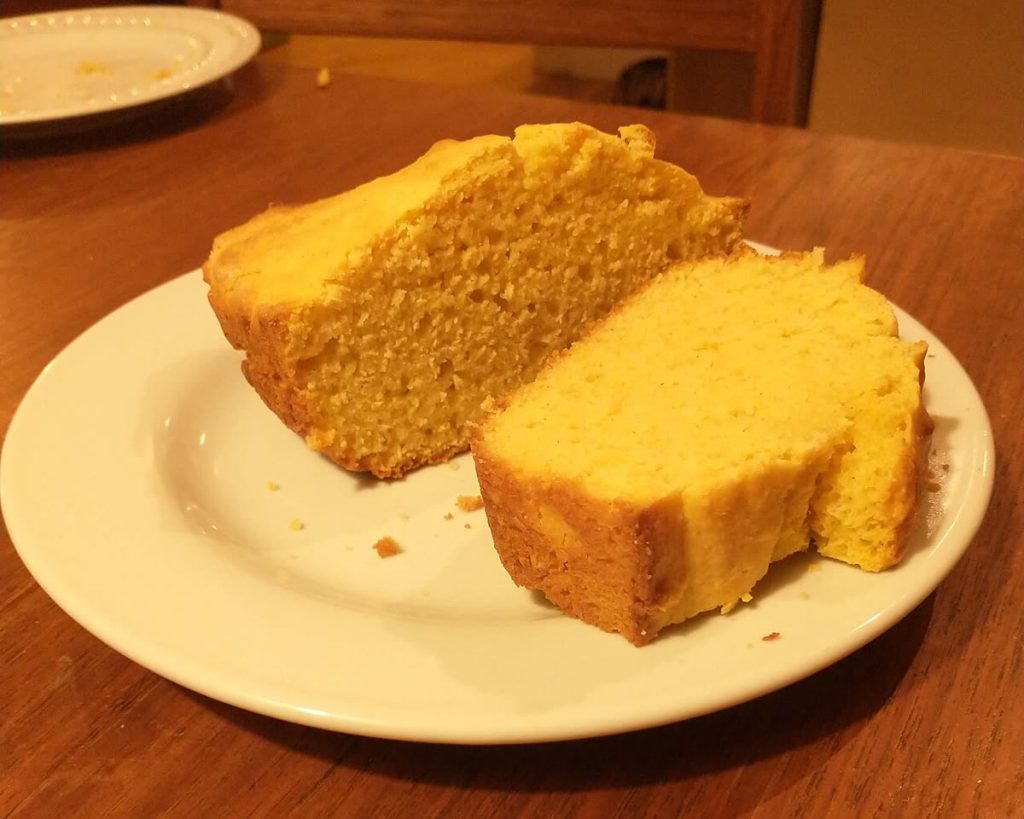
The cornbread internal temperature to aim for is roughly 200°F (93°C) in the very centre of the loaf or pan. At that point the starches in the cornmeal and flour have set, the eggs are cooked through and the middle should spring back lightly when pressed. Many home cooks pull cornbread a little earlier, around 195°F (90°C), because it keeps climbing a few degrees as it rests. Below about 190°F (88°C) you are likely to find a gummy, damp streak down the middle.
Key takeaways
- Aim for about 200°F (93°C) in the centre, measured with an instant-read thermometer.
- A clean toothpick, golden edges and a springy top are good backup tests.
- Most recipes bake at 375 to 425°F (190 to 220°C); a preheated cast-iron skillet gives the best crust.
- Rest the cornbread for 5 to 10 minutes so the crumb finishes setting and slices cleanly.
Why temperature beats the clock
Recipes give baking times, but ovens lie. A dial that reads 400°F (200°C) may swing 20 degrees either way as the element cycles on and off, and a dark metal pan browns faster than a glass dish. The depth of the batter matters too: a thin sheet-pan cornbread can be ready in 15 minutes, while a deep 9-inch cake tin may need 30 or more. A thermometer cuts through all of these variables and tells you what is actually happening in the middle.
Cornbread is a quick bread, which means it relies on chemical raising agents (baking powder, sometimes bicarbonate of soda) rather than yeast. The structure sets when the eggs coagulate and the starch gelatinises. Eggs begin to set at lower temperatures than 200°F, but the bake needs to go further to drive off enough moisture for a crumb that is tender rather than pasty. That is why the target sits close to the figure used for many other quick breads and cakes.
How to take the temperature correctly
- Use an instant-read digital thermometer. Dial probes work but respond slowly.
- Open the oven door briefly and slide the rack out a little rather than leaving the door ajar; heat loss slows the bake.
- Insert the probe into the centre of the cornbread, from the top, angled so the tip sits at mid-depth. Avoid touching the bottom of the pan, which reads far hotter than the crumb.
- Wait for the number to settle for two or three seconds before reading it.
- If it reads under 195°F (90°C), give it another 3 to 5 minutes and test again in a different spot.
If you are baking in a cast-iron skillet, remember that the pan itself holds a lot of heat. The cornbread will carry on cooking at the edges after it leaves the oven, so many bakers take it out at 195°F and let carry-over heat finish the job.
Other ways to tell cornbread is done
You do not need a thermometer for every bake, and these older tests still work well when used together.
- Toothpick or skewer: insert it into the centre. It should come out clean or with a few dry crumbs, not wet batter. Moist crumbs are fine; a smear of raw batter is not.
- Colour: the top should be golden brown and the edges should pull slightly away from the pan.
- Spring-back: press the centre lightly with a fingertip. It should rise back rather than leave a dent.
- Sound and smell: a toasty, corn-and-butter aroma and a quiet sizzle at the skillet edges usually mean the crust has formed.
Oven settings and pan choices
Most cornbread recipes bake between 375°F and 425°F (190 to 220°C). Hotter ovens give a crunchier crust and a shorter bake; cooler ones give a softer, more cake-like result. If you use a fan oven, reduce the temperature by roughly 20°C (about 25°F) or follow your oven manual, because the moving air cooks faster. Always preheat fully, and check with an oven thermometer if your recipes regularly come out too pale or too dark.
| Pan | Typical oven setting | What to expect |
|---|---|---|
| Preheated cast-iron skillet | 400 to 425°F (200 to 220°C) | Deep golden, crisp crust; centre usually ready in 18 to 25 minutes |
| Metal square tin (8 or 9 inch) | 375 to 400°F (190 to 200°C) | Even colour, moist crumb; roughly 20 to 30 minutes |
| Glass or ceramic dish | Lower by 25°F (about 15°C) | Browns more slowly; check the centre rather than the top |
| Muffin tin | 400°F (200°C) | Quick, often 12 to 18 minutes; test one in the middle |
These ranges are guides only. Always trust your own recipe and thermometer over a generic table.
How to avoid dry or crumbly cornbread
Overbaking is the most common cause of dry cornbread, and it happens quickly because the batter is thin and the loaf is small. Pulling it when the centre reaches 195 to 200°F helps. Beyond that, a few small habits make a big difference.
- Do not overmix. Stir until the dry ingredients are just moistened. Lumps are fine.
- Add enough fat and moisture. Buttermilk, sour cream or a little extra oil or melted butter keep the crumb tender.
- Let the batter rest for five to ten minutes so the cornmeal absorbs liquid and loses its gritty texture.
- Preheat the skillet with a little fat inside, then pour in the batter. The sizzle builds a crust straight away.
- Measure flour carefully. Spoon it into the cup and level it, rather than scooping, to avoid a heavy batter.
Sweet and savoury styles differ across regions, and some Southern recipes use no sugar or flour at all. If you are curious about the history and variations, the Wikipedia article on cornbread gives a good overview.
Resting, serving and storing
Give the cornbread five to ten minutes in the pan before slicing. This lets steam redistribute and the crumb firm up. Cutting straight away often tears the loaf. Serve warm with butter, honey or alongside chilli, soup or barbecue dishes.
Leftovers keep well wrapped at room temperature for a day, or in the fridge for around three days. To freshen a slice, warm it in a moderate oven, loosely covered in foil. Our guide to reheating pie in the oven uses the same foil-and-moderate-heat approach and explains how to avoid drying baked goods out. Cornbread freezes well for a couple of months if wrapped tightly; thaw it overnight in the fridge.
Frequently asked questions
What is the safe internal temperature for cornbread?
Because cornbread contains eggs, it should be cooked right through. About 200°F (93°C) in the centre gives a fully set, pleasant crumb, and that comfortably exceeds the temperatures needed to cook eggs safely.
Can I rely on a toothpick instead of a thermometer?
Yes, most of the time. A toothpick that comes out clean or with dry crumbs is a good sign. A thermometer is simply more precise, especially in deep pans or when you are adapting a recipe.
Why is my cornbread raw in the middle but dark on top?
The oven is probably too hot, or the pan is too dark or too deep. Lower the temperature by 25°F (about 15°C), tent the top with foil, and bake a few minutes longer until the centre reaches around 200°F.
Does cornbread keep cooking after I take it out?
Yes. Carry-over heat, especially from a cast-iron skillet, can raise the centre by several degrees. That is why some cooks remove it at 195°F rather than waiting for 200°F.
Is it safe to eat slightly underbaked cornbread?
A gummy centre is mainly a texture problem, but batter containing raw egg and flour should not be eaten. If the middle looks wet or reads well under 190°F (88°C), return it to the oven until it is properly set.
Conclusion
Use the cornbread internal temperature of about 200°F (93°C) as your main guide, back it up with a toothpick test and a golden top, and let the loaf rest before cutting. With a hot skillet, a gentle hand on the batter and a thermometer in your kitchen drawer, moist, well-set cornbread becomes the rule rather than a lucky accident.
Key takeaways about cornbread internal temperature
Here is a short summary of cornbread internal temperature so you can find the main points quickly.
- The cornbread internal temperature to aim for is roughly 200°F (93°C) in the very centre of the loaf or pan.
- Cornbread is a quick bread, which means it relies on chemical raising agents (baking powder, sometimes bicarbonate of soda) rather than yeast.
- If you are baking in a cast-iron skillet, remember that the pan itself holds a lot of heat.
- You do not need a thermometer for every bake, and these older tests still work well when used together.
Check official sources before acting on anything related to cornbread internal temperature, because details can change over time.
Questions about cornbread internal temperature are common, so it helps to compare more than one trustworthy source.
Use this page as a starting point for cornbread internal temperature and come back to it when your situation changes.
Good decisions about cornbread internal temperature come from checking the facts, comparing your options and taking your time.
Save this guide to cornbread internal temperature so you can find it again whenever you need a quick reminder.
If you only remember one thing about cornbread internal temperature, make it the practical steps covered in this guide.
Related reading:
- Reheating Pie in the Oven: Temperature, Time and Foil Tips
- Best Way to Reheat Risotto Safely the Next Day
For general background, you can look up cornbread internal temperature on Wikipedia.