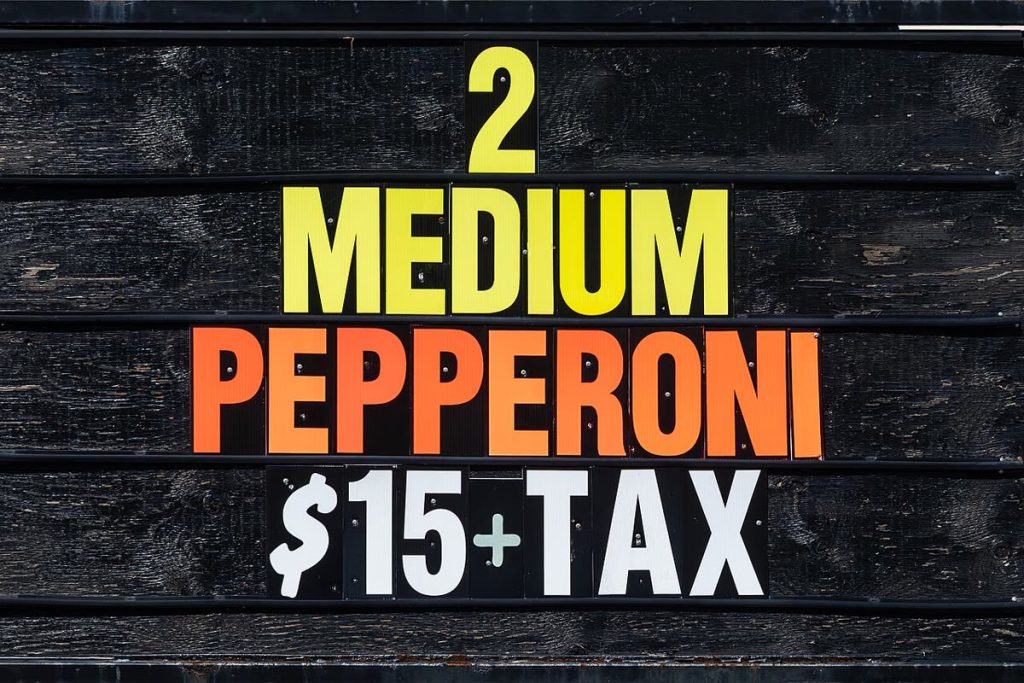
If you have wondered what is peperoni made of, the answer is a cured, spiced sausage, usually made from pork, beef or a blend of both, seasoned with paprika and chilli, salt and other spices, then fermented, dried and sliced. The word is normally spelled pepperoni, and it is the classic pizza topping in the United States. Despite its Italian-sounding name, pepperoni is an American creation inspired by Italian salami.
Key takeaways
- Pepperoni is a dry-cured sausage typically made from pork and beef, with salt, paprika, chilli and spices.
- It is fermented and air-dried, which gives the tangy flavour and long shelf life.
- Variants include all-beef, turkey, chicken and plant-based versions.
- Pepperoni is high in salt and fat, so enjoy it in moderation and check labels for allergens and halal or kosher status.
What is peperoni made of? The core ingredients
Brands differ, but traditional pepperoni usually contains a short list of ingredients:
- **Meat**: pork and beef are most common, with some products using only pork or only beef. Poultry versions use turkey or chicken.
- **Fat**: pork fat or beef fat is blended in to give moisture and flavour.
- **Salt**: for flavour and preservation.
- **Paprika and chilli**: these give pepperoni its red colour and gentle heat.
- **Spices**: black pepper, garlic, fennel or anise seed, and sometimes cayenne.
- **Curing agents**: sodium nitrite or nitrate, which help preserve the meat, protect against harmful bacteria and give the cured pink colour.
- **Starter cultures or acidifiers**: friendly bacteria that ferment the sausage, lowering pH and creating tang.
- **Sugar or dextrose**: a small amount feeds the fermentation.
On the label you might also see lactic acid starter culture, dextrose, flavourings and antioxidants such as BHA or BHT in some products. Always read the packet if you have allergies or dietary restrictions.
How pepperoni is made step by step
- **Grinding and mixing**: lean meat and fat are ground finely and mixed with the salt, spices and curing agents.
- **Stuffing**: the mixture is packed into casings, which may be natural or artificial.
- **Fermentation**: the sausages rest in a warm, humid room for a time, during which bacteria produce lactic acid and the flavour develops.
- **Drying**: they are then hung to dry for days or weeks in a controlled environment, losing water and becoming firm.
- **Slicing and packaging**: once dried to the right level, the sausage is sliced or sold whole.
This long process is why pepperoni can sit in a fridge for weeks, although you should follow storage guidance on the pack.
Pepperoni compared with similar foods
| Product | Typical meat | Flavour | Typical use |
|---|---|---|---|
| — | — | — | — |
| Pepperoni | Pork and beef | Smoky, paprika-spiced | Pizza, sandwiches, snacks |
| Salami | Pork, sometimes beef | Varies by region | Charcuterie boards |
| Chorizo | Pork | Smoked paprika, garlic | Cooking and slicing |
| Sopressata | Pork | Peppery, coarse | Antipasti |
| Turkey pepperoni | Turkey | Milder, leaner | Lower-fat pizza |
Do not confuse pepperoni with peperoni, which is the Italian word for bell peppers. In Italy, ordering a pizza with “peperoni” would get you peppers rather than sausage. For an overview of the food’s history and variations, the Wikipedia page on pepperoni is a useful reference.
Is pepperoni healthy?
Pepperoni is a processed meat. It provides protein, plus some B vitamins and minerals, but it is also high in salt, saturated fat and calories for its size. Health bodies advise limiting how much processed meat you eat. In the UK, the NHS Eat Well guidance offers advice about processed meat and a balanced diet. If you have high blood pressure, heart disease or kidney problems, ask a doctor or dietitian how much is right for you.
Ways to enjoy it more lightly:
- Use a few slices for flavour rather than covering a pizza.
- Choose turkey or lower-fat versions if you prefer, bearing in mind that sodium can still be high.
- Pair with vegetables, wholegrain bases and salad.
- Blot cooked pepperoni with kitchen paper to remove surface grease.
Dietary and religious considerations
Because pepperoni often contains pork, it is not suitable for people who avoid pork, including those following halal or kosher diets. Beef-only and poultry versions exist, and some are certified halal or kosher. Look for certification on the packaging rather than assuming. Vegetarians and vegans can find plant-based pepperoni made from ingredients such as soy, wheat protein or vegetables. Check labels for gluten, dairy and other allergens.
A short history of pepperoni
Pepperoni developed in Italian-American communities in the early twentieth century, when butchers in the United States adapted the spicy salamis they knew from southern Italy using locally available meats and spices. The result was softer and milder than many Italian originals but with that signature red, paprika-rich oil. It became hugely popular once pizzerias spread across America, and today it is the most recognisable pizza topping in many countries.
Buying tips
- Look at the ingredient list: shorter lists with named meats usually indicate a simpler product.
- Compare the meat content and the salt level per serving across brands.
- Choose sliced packs for convenience or a whole stick if you want to cut it thick for snacking.
- Check the use-by date and storage instructions, and keep it chilled once opened.
Cooking and serving tips
- On pizza, place slices on top of the cheese. They will curl into little cups that hold the spicy oil.
- Bake at the temperature in your pizza recipe until the edges crisp.
- Fry thin slices briefly to make crunchy pepperoni chips.
- Add to pasta bakes, omelettes, toasties or stromboli.
- Store opened packs in the fridge, tightly wrapped, and use within the time on the label.
If you like exploring food ingredients, you might also enjoy our posts on what gyros are made of, what bolognese pasta is and what bolognese means.
Frequently asked questions
What is peperoni made of?
It is made from cured pork and beef, or sometimes poultry, mixed with salt, paprika, chilli and other spices, then fermented and dried.
Is pepperoni pork or beef?
Many brands use both, but some are all-beef, all-pork or made with turkey or chicken. Check the label.
Is pepperoni raw?
It is cured and dried rather than cooked, but it is generally safe to eat as sold. Pregnant women and those with weakened immunity should check official advice on cured meats.
Why is pepperoni red?
Paprika and chilli give it colour, along with the curing process.
Is there vegetarian pepperoni?
Yes. Plant-based versions use soy, wheat protein, vegetables and spices to copy the flavour and texture.
Conclusion
So, what is peperoni made of? Seasoned, cured and dried meat, most often pork and beef, flavoured with paprika and chilli. Know the ingredients, check labels if you have dietary needs and enjoy this punchy topping in sensible portions.
Key takeaways about what is peperoni made of
Here is a short summary of what is peperoni made of so you can find the main points quickly.
- If you have wondered what is peperoni made of, the answer is a cured, spiced sausage, usually made from pork, beef or a blend of both, seasoned with paprika and chilli, salt and other spices, then fermented, dried and sliced.
- Brands differ, but traditional pepperoni usually contains a short list of ingredients:
- On the label you might also see lactic acid starter culture, dextrose, flavourings and antioxidants such as BHA or BHT in some products.
- This long process is why pepperoni can sit in a fridge for weeks, although you should follow storage guidance on the pack.
Good decisions about what is peperoni made of come from checking the facts, comparing your options and taking your time.
Save this guide to what is peperoni made of so you can find it again whenever you need a quick reminder.
If you only remember one thing about what is peperoni made of, make it the practical steps covered in this guide.
Related reading:
- Kedplasma Donor Questionnaire: What to Expect at Screening
- Clinton, AR Obituaries: How to Find Recent Notices
For general background, you can look up what is peperoni made of on Wikipedia.