Can borscht be frozen? Yes, it freezes very well. Most versions keep their flavour and rich colour for about three months in the freezer, and many cooks find the soup tastes even better after a day of resting. The keys are to cool it quickly, leave out any sour cream or herbs until serving, and store it in airtight containers.
Key takeaways
- Borscht freezes well for around three months when stored airtight.
- Cool it fast, within about two hours of cooking, before it goes into the fridge or freezer.
- Freeze it plain and add sour cream, dill and lemon only when serving.
- Thaw overnight in the fridge and reheat until steaming hot throughout.
- Potatoes and cabbage may soften slightly, which many people hardly notice.
Why borscht is a good soup to freeze
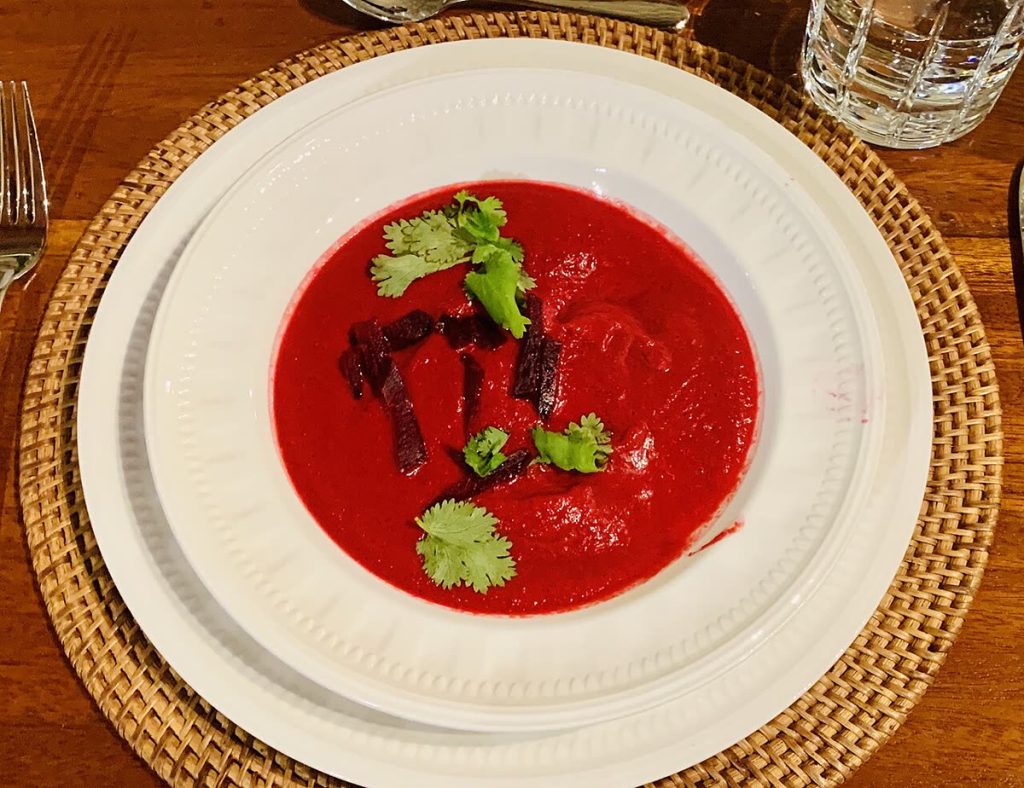
Borscht is a beetroot-based soup eaten across Eastern Europe, with many regional versions. Some are clear and ruby red, others are thick with cabbage, potato, carrot, beans or meat. Because it is a broth-based soup built from sturdy vegetables, it handles freezing better than creamy soups, which can separate.
The flavours also tend to deepen with time. Cooks often make a large pot on purpose, knowing there will be portions for busy weeknights later. Beetroot holds its colour well in the freezer, so the soup comes out looking just as vivid as when it went in.
How long can you freeze borscht?
For best quality, plan to eat frozen borscht within about three months. It stays safe in a freezer kept at -18C (0F) for longer, but flavour and texture slowly decline. Label every container with the date and the type of borscht, especially if you make both meat and vegetarian versions.
| Storage | Typical time | Notes |
|---|---|---|
| Room temperature | No more than 2 hours | Cool quickly, do not leave the pot out overnight |
| Fridge | 3 to 4 days | Covered, in shallow containers |
| Freezer | About 3 months for best quality | Airtight, labelled and dated |
| Thawed in fridge | Use within 1 to 2 days | Do not refreeze after reheating |
How to freeze borscht step by step
- Let the soup cool for a short time, then speed things up by dividing it into shallow containers or sitting the pot in a sink of cold water.
- Chill it in the fridge until cold all the way through. Aim to have it chilled within about two hours of cooking.
- Ladle portions into freezer-safe containers or sturdy freezer bags, leaving about an inch of space at the top because liquid expands as it freezes.
- If using bags, lay them flat on a tray to freeze, which saves space and thaws faster.
- Seal tightly, press out extra air, label with the date, and place in the freezer.
Freeze in portions you will actually use
Single or two-person portions are easier to thaw and reduce waste. A muffin tin or silicone tray works well for small blocks, which you can pop out and store together in a bag.
What to leave out before freezing
Dairy is the main thing. Sour cream or smetana separates and turns grainy after freezing, so add it fresh when you serve. The same goes for fresh dill, parsley, spring onions and a squeeze of lemon, which all taste brighter if added at the end.
- Potatoes: they can turn slightly soft or crumbly. If texture matters to you, cook them until just tender, or add freshly boiled potatoes when reheating.
- Cabbage: it softens a little but stays pleasant in soup.
- Boiled eggs: never freeze them in the soup; they turn rubbery.
- Dumplings or pasta: add them fresh instead.
How to thaw and reheat borscht
The safest way to thaw is in the fridge overnight. You can also run the sealed container under cold water, or use the defrost setting on a microwave if you will heat and eat it straight away. Avoid thawing on the kitchen counter for hours.
- Tip the thawed soup into a saucepan.
- Heat gently, stirring occasionally, until it is steaming hot throughout. Food safety bodies such as the USDA Food Safety and Inspection Service recommend reheating leftovers to 74C (165F).
- Taste and adjust. A splash of vinegar or lemon juice and a pinch of salt often brings back brightness.
- Serve with sour cream and fresh herbs, plus rye bread if you like.
If you only have a block of frozen soup, you can reheat it from frozen in a covered pan over low heat, stirring and breaking it up as it melts. Do not refreeze soup that has been fully thawed and reheated, though you can refreeze it if it was thawed in the fridge and not yet heated, with some loss of quality.
Tips for better frozen borscht
- Slightly undercook the vegetables before freezing, since they finish cooking when reheated.
- Cut beetroot and potatoes into even pieces so they freeze and reheat consistently.
- Skim excess fat from meat versions before packing, which improves texture and reduces off flavours.
- Use rigid containers for easy stacking, and bags for space saving.
- Keep a note of the recipe on the label so you can recreate it.
Cold borscht, a summer variation made with beetroot, buttermilk or kefir, is not suited to freezing because of the dairy. Make that style fresh and eat it within a couple of days.
Other foods that freeze the same way
If you enjoy batch cooking, similar rules apply across many dishes: cool fast, pack airtight, label and add fresh toppings later. Our guide on whether you can freeze tzatziki explains why dairy-based foods behave differently, and if you have a glut of fruit, see how to freeze fresh mango for another useful freezer habit.
Frequently asked questions
Does frozen borscht lose its colour?
Not much. Beetroot keeps its deep red well. A splash of lemon juice or vinegar when reheating brightens it again if it has dulled.
Can I freeze borscht with sour cream already in it?
It is better not to. Sour cream can split and become grainy. Freeze the soup plain and stir in fresh sour cream when serving.
Can I freeze borscht made with meat?
Yes. Beef or pork borscht freezes the same way as vegetarian versions. Cool and store it promptly, and make sure it is steaming hot when reheated.
Can I use glass jars?
You can use freezer-safe glass jars if you leave generous headspace and cool the soup first. Straight-sided jars are less likely to crack than ones with a narrow neck.
How can I tell if frozen borscht has gone bad?
Heavy ice crystals mean freezer burn, which affects quality rather than safety. If it smells sour or off after thawing, or has been kept too long at room temperature, throw it away.
Conclusion
So, can borscht be frozen? Absolutely, and it is one of the friendlier soups for the freezer. Cool it fast, freeze it plain in labelled portions, thaw it in the fridge and finish with sour cream and fresh herbs. You will have a comforting bowl ready whenever you need one.
Key takeaways about can borscht be frozen
Here is a short summary of can borscht be frozen so you can find the main points quickly.
- Borscht is a beetroot-based soup eaten across Eastern Europe, with many regional versions.
- The flavours also tend to deepen with time.
- For best quality, plan to eat frozen borscht within about three months.
- Single or two-person portions are easier to thaw and reduce waste.
Good decisions about can borscht be frozen come from checking the facts, comparing your options and taking your time.
Save this guide to can borscht be frozen so you can find it again whenever you need a quick reminder.
If you only remember one thing about can borscht be frozen, make it the practical steps covered in this guide.
Check official sources before acting on anything related to can borscht be frozen, because details can change over time.
Questions about can borscht be frozen are common, so it helps to compare more than one trustworthy source.
Use this page as a starting point for can borscht be frozen and come back to it when your situation changes.
Related reading:
- Murdoch’s Scottsbluff: Store Guide for Ranch and Farm Supplies
- NAICS Code 522110: Commercial Banking Explained
For general background, you can look up can borscht be frozen on Wikipedia.