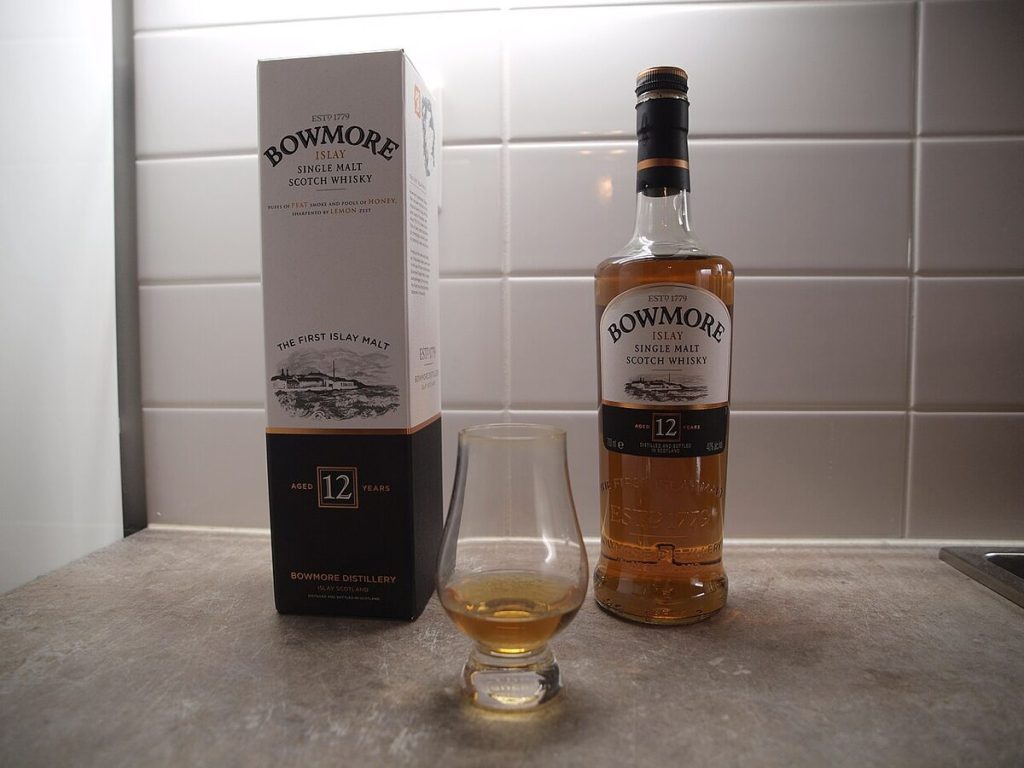
The difference between Scotch and whiskey comes down to geography, ingredients and law: Scotch is whisky made in Scotland under strict legal rules, while “whiskey” is the broader family of grain spirits aged in wood, made all over the world. Every Scotch is a whisky, but not every whisky is Scotch. This guide explains what separates them in plain English, including the spelling puzzle, so you can read a label with confidence.
Key takeaways
- Scotch is a legally protected type of whisky made in Scotland and matured in oak for at least three years.
- “Whiskey” is the general term, and the spelling varies by country: Scotland and Canada usually write “whisky”, Ireland and the US usually write “whiskey”.
- Scotch is typically made from malted barley or grain, while American styles such as bourbon rely heavily on corn.
- Flavour differences come from ingredients, still type, cask choice and, for some Scotches, peat smoke.
The simple answer: one is a category, the other is a subset
Think of “whiskey” as the umbrella and Scotch as one famous room underneath it. Whiskey, in the widest sense, is a spirit distilled from fermented grain mash and normally aged in wooden barrels. Scotch whisky is the version that follows Scottish rules about where and how it is made. Irish whiskey, bourbon, rye, Canadian whisky and Japanese whisky are other rooms under the same roof.
This is why asking “which is better” rarely helps. It is a bit like asking whether sparkling wine or Champagne is better: one is a style, the other is a protected version of that style from a particular place.
What makes a whisky “Scotch”
Scotch whisky is defined in United Kingdom law. In broad terms, it must be produced at a distillery in Scotland, made from water and malted barley (other whole cereal grains may be added), fermented with yeast, distilled, and then matured in oak casks in Scotland for at least three years. It cannot have added flavouring, and the only permitted additive is plain caramel colouring. It must also be bottled at a minimum strength of 40 percent alcohol by volume.
The main Scotch styles
- Single malt: made at one distillery from malted barley only, usually distilled in copper pot stills.
- Single grain: made at one distillery but with other grains in the mix, often distilled in a continuous column still.
- Blended Scotch: a mix of malt and grain whiskies from different distilleries. Most Scotch sold worldwide is blended.
- Blended malt: a mix of single malts from more than one distillery, with no grain whisky.
An age statement on a bottle, such as 12 years, refers to the youngest whisky in the bottle. Scotch regions such as Speyside, Islay and the Highlands are often linked to typical flavours, but they are tendencies rather than rules.
The spelling: whisky or whiskey?
The extra “e” confuses almost everyone, and the honest answer is that it is mostly convention. Scotland, Canada and Japan generally write “whisky”. Ireland and the United States generally write “whiskey”. There are exceptions, since a few American brands use “whisky” on their labels, so the spelling is a clue rather than a guarantee. In this article, “whiskey” is used as the umbrella term and “whisky” when talking about Scotch specifically.
Scotch vs other whiskeys at a glance
| Feature | Scotch | Irish whiskey | Bourbon |
|---|---|---|---|
| Where made | Scotland | Ireland | United States |
| Typical grains | Malted barley, plus other cereals for grain and blends | Malted and unmalted barley, other grains | At least 51 percent corn |
| Cask rules | Oak, at least three years in Scotland, often ex-bourbon or ex-sherry casks | Wooden casks, at least three years in Ireland | New charred oak barrels |
| Common spelling | Whisky | Whiskey | Whiskey (sometimes whisky) |
| Typical character | Ranges from light and floral to rich and smoky | Often smooth and approachable | Sweeter, with vanilla and caramel notes |
Check the producer’s information for exact rules on any particular bottle, since each category has its own technical regulations and the table is a simplification.
Why do they taste different?
Several things shape flavour, and they stack up together rather than acting alone.
- Grain: barley gives a malty, biscuity base. Corn, as in bourbon, leans sweeter.
- Peat: some Scotch malt is dried over peat smoke, which adds a smoky, medicinal or campfire note. Many Scotches use little or no peat.
- Stills: pot stills tend to keep more character in the spirit, while column stills produce a lighter one.
- Casks: Scotch is often matured in barrels that previously held bourbon or sherry, which pass on vanilla, fruit or spice. Bourbon must use new charred oak, so it picks up more sweetness and wood flavour.
- Time and climate: a cool Scottish climate ages whisky slowly, while warm US states can speed it up.
For general background, the Scotch whisky article on Wikipedia gives a good overview of regions and production.
How to choose and enjoy a bottle
If you are new to Scotch
Start with a blended Scotch or a gentle single malt, often described as light or fruity. Smoky, heavily peated malts can be a lot on the first sip. If you already like bourbon, a single malt aged in ex-bourbon casks may feel familiar.
Simple tasting tips
- Pour a small measure into a tulip-shaped glass if you have one.
- Smell it before sipping, since much of the flavour is aroma.
- Try it neat first, then with a few drops of water, which can open up the flavours.
- Ice chills the drink and mutes some of its aroma, so it is a matter of taste.
- Pair it with food you enjoy rather than following strict rules. Dark chocolate, cheese and smoked foods are popular choices.
Whatever you choose, drink responsibly, and never drive after drinking. If you are shopping for a gift, a clear label stating “Scotch whisky” tells you the bottle meets the Scottish legal definition. Interested in how distillation works at a basic level? Our guide on distilled water versus purified water explains the principle of separating liquids by boiling, the same idea behind a still.
Frequently asked questions
Is Scotch stronger than other whiskey?
Not necessarily. Scotch must be bottled at a minimum of 40 percent alcohol by volume, and many bottles sit at 40 to 46 percent. Other whiskeys sit in a similar range, and cask-strength bottles of any type can be much higher.
Is bourbon a type of Scotch?
No. Bourbon is an American whiskey made mainly from corn and aged in new charred oak barrels. Scotch is made in Scotland under UK rules, usually from malted barley and other cereals.
Why is Scotch spelled without an “e”?
It is a regional spelling habit. Scotland, Canada and Japan usually write “whisky”, while Ireland and the United States tend to write “whiskey”. The spelling does not change how the drink is made.
Does Scotch always taste smoky?
No. Smoke comes from peat used to dry malted barley, and only some Scotch uses it. Many Scotches taste fruity, floral, malty or nutty instead.
Can whisky made outside Scotland be called Scotch?
No. The name is legally protected, so only whisky produced and matured in Scotland according to the rules can be sold as Scotch whisky.
Conclusion
The difference between Scotch and whiskey is really about a part and a whole: Scotch is a protected Scottish style, and whiskey is the global family it belongs to. Look at the label for the country, the grain, the age and the cask, and you will quickly work out what is in the glass. Start with a style that matches your taste, sip slowly, and enjoy it responsibly.
Key takeaways about difference between scotch and whiskey
Here is a short summary of difference between scotch and whiskey so you can find the main points quickly.
- The difference between Scotch and whiskey comes down to geography, ingredients and law: Scotch is whisky made in Scotland under strict legal rules, while "whiskey" is the broader family of grain spirits aged in wood, made all over the world.
- Think of "whiskey" as the umbrella and Scotch as one famous room underneath it.
- This is why asking "which is better" rarely helps.
- Scotch whisky is defined in United Kingdom law.
Save this guide to difference between scotch and whiskey so you can find it again whenever you need a quick reminder.
If you only remember one thing about difference between scotch and whiskey, make it the practical steps covered in this guide.
Check official sources before acting on anything related to difference between scotch and whiskey, because details can change over time.
Questions about difference between scotch and whiskey are common, so it helps to compare more than one trustworthy source.
Use this page as a starting point for difference between scotch and whiskey and come back to it when your situation changes.
Good decisions about difference between scotch and whiskey come from checking the facts, comparing your options and taking your time.
Related reading:
- Does Greek Yogurt Have B12? What the Science Says
- What Are the Colors of the Olympic Rings? Meaning and History
For general background, you can look up difference between scotch and whiskey on Wikipedia.