A faint hickey is just a small, shallow bruise, and nothing will make it vanish overnight. What you can do is give your body a helping hand to clear it a little faster and cover it neatly while it fades. Light marks often disappear within a few days to a week, while darker ones can take up to two weeks.
Key takeaways
- A hickey is a bruise caused by suction, so it heals like any other bruise.
- Cold in the first day or so, then gentle warmth, is the most sensible routine.
- Concealer with colour correction is the quickest way to hide a mark.
- Skip coins, toothbrushes and hard rubbing, which can make it worse.
What a hickey actually is
Suction pulls blood to the surface and breaks tiny vessels called capillaries under the skin. The blood leaks into the surrounding tissue and shows as red or purple. Over the next days your body breaks it down, and the colour shifts through blue, green and yellow before it fades. The process is the same as for any bruise, as explained on Wikipedia’s bruise page. A faint hickey simply involves less leaked blood, so it clears sooner.
Day one and two: cool it down
In the first 24 to 48 hours the aim is to limit how much blood pools under the skin. Cold narrows blood vessels, which can reduce spread.
- Wrap an ice pack or a bag of frozen peas in a thin cloth. Never put ice straight on skin.
- Hold it against the mark for about 10 minutes.
- Take a break of at least 10 minutes, then repeat a few times through the day.
A cold spoon from the fridge also works for a very small mark. Keep the area clean and avoid more suction or pinching.
From day three: bring in gentle warmth
After the first couple of days the bleeding has stopped and the job becomes clearing the leftover blood. Warmth increases circulation to the area, which may help the body carry it away.
- Use a warm, damp flannel for 10 minutes a few times a day.
- Follow with very light massage in small circles, using only fingertips and no pressure that hurts.
- Stop if the area feels sore or looks more irritated.
What about creams and remedies?
Some people use arnica gel, vitamin K cream or aloe vera. Evidence that any of these speeds up bruise healing is limited and mixed, though they are usually harmless on unbroken skin. If you want to try one, patch test first. Do not expect dramatic results, and treat them as a comfort measure rather than a cure.
Methods to skip
| Popular trick | Why to avoid it |
|---|---|
| Scraping with a coin | Can cause more bruising and broken skin |
| Rubbing hard with a toothbrush | Irritates skin and may leave a worse mark |
| Hot compress on day one | May increase bleeding under the skin |
| Toothpaste or menthol products | Mostly a cooling sensation, with a risk of irritation |
| Picking or squeezing | Slows healing and may mark the skin |
How to cover a faint hickey
While the body does its work, makeup is the quickest fix. Colour correction does most of the job.
- Start with clean, moisturised skin.
- Dab a tiny amount of green corrector on a red or purple mark, or peach and orange tones on blue and brown marks. Use a small brush or fingertip and tap rather than rub.
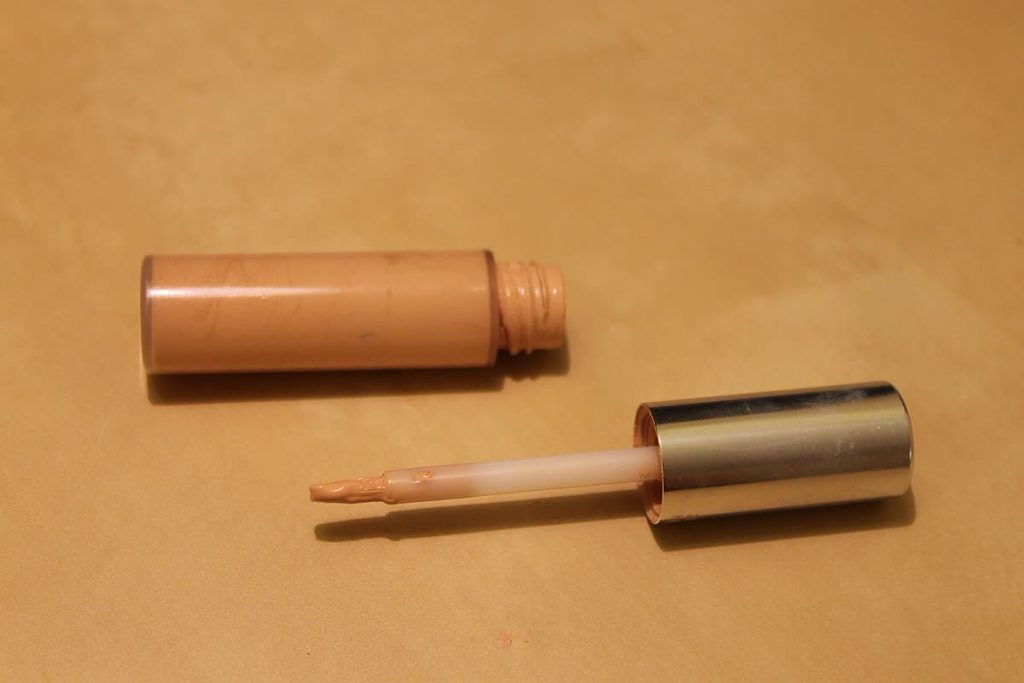
- Apply a full-coverage concealer close to your skin tone over the top and blend the edges.
- Set with a little loose or pressed powder so it lasts.
If you do not use makeup, a scarf, high collar or a well-placed hairstyle works for a day. Choose breathable fabric so the skin does not get irritated.
How a faint hickey changes day by day
Every body is different, but a typical sequence for a light mark looks like this: red or pink for the first day, then purple or bluish by day two or three, green around day four to six, and yellow or brown as it fades. Fair skin shows the colours more clearly. Darker skin can show a deeper brown or purplish tone, and some people see marks linger a little longer. Age, medication such as blood thinners, and how easily you bruise all change the speed.
If you are curious how other skin changes progress, see our pages on the stages of wart healing and the stages of cauliflower ear. For another health topic, there is also dying tooth nerve pain.
One more tip: protect the area from further irritation. Avoid tight collars, scratchy scarves and harsh skincare products on the mark, and keep skin moisturised so it stays comfortable as it heals. Staying hydrated and eating a balanced diet supports normal healing, though no food has been shown to remove a bruise on demand.
When to talk to a doctor
A faint hickey is not a medical concern. However, speak to a doctor or pharmacist if you notice any of the following:
- Severe pain, spreading swelling or heat that gets worse
- A lump that keeps growing
- Bruising that appears easily with no clear cause
- A mark that has not faded after several weeks
- Any signs of infection, such as pus or fever
This is general information and not a substitute for personal medical advice.
Frequently asked questions
How long does a faint hickey last?
Most light marks fade in roughly 3 to 7 days, and darker ones can take up to two weeks.
Does ice really help a faint hickey?
Cold in the first day or two can limit blood pooling, so it is a sensible first step, though it will not erase the mark.
Is it safe to massage a hickey?
Gentle massage after the first two days is generally fine. Stop if it hurts and do not rub hard.
What colour corrector is best?
Green balances red and purple tones. Peach or orange helps with blue and darker brown bruises.
Can a hickey be dangerous?
Rarely, but severe pain, swelling or unusual symptoms are worth a call to a doctor. Avoid very forceful suction around the neck.
Conclusion
A faint hickey will fade on its own, and your best tools are cold at first, gentle warmth later, patience and a bit of concealer. Avoid harsh tricks that risk skin damage, and see a doctor if anything seems unusual or does not improve.
Key takeaways about faint hickey
Here is a short summary of faint hickey so you can find the main points quickly.
- A faint hickey is just a small, shallow bruise, and nothing will make it vanish overnight.
- Suction pulls blood to the surface and breaks tiny vessels called capillaries under the skin.
- In the first 24 to 48 hours the aim is to limit how much blood pools under the skin.
- A cold spoon from the fridge also works for a very small mark.
Good decisions about faint hickey come from checking the facts, comparing your options and taking your time.
Related reading:
- Robert Downey Jr Weight Loss: Fact, Rumour and Fitness Lessons
- 3 Sink Dishwashing Method: Steps, Settings and Mistakes
For general background, you can look up faint hickey on Wikipedia.