What is praline? It depends on the country you ask in. In France, praline is nuts, usually almonds or hazelnuts, coated in caramelised sugar and often ground into a paste. In Belgium, a praline is a filled chocolate with a hard shell and a soft centre. In the American South, a praline is a soft, creamy pecan candy. All three involve sugar and nuts, but the textures and uses are very different.
Key takeaways
- French praline is caramelised nuts, either hard and crunchy or ground into a smooth paste (praliné).
- Belgian pralines are filled chocolates, and the filling may or may not contain nuts.
- American pralines are soft, sugary pecan patties associated with New Orleans and Texas.
- Praline paste is a versatile base for cakes, ice cream, spreads and fillings.
- Nuts are a major allergen, so check labels, especially on filled chocolates.
The French original
The sweet that started it all is generally credited to France. Tradition links the name to a seventeenth-century nobleman, the Marshal du Plessis-Praslin, whose cook is said to have coated almonds in cooked sugar. Whether or not the story is exactly right, the technique is simple and has lasted: whole nuts are stirred into sugar that has been melted to a golden caramel, then spread out to cool and set.
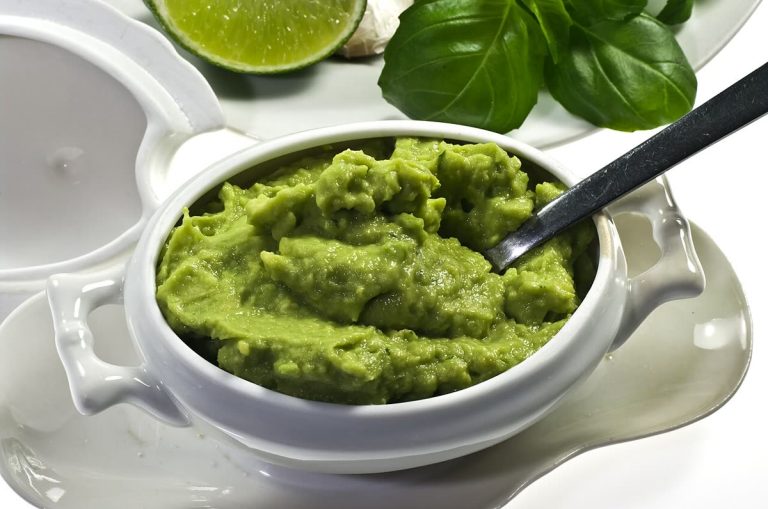
The result can be sold as hard, glossy sweets. It can also be broken up and processed into a fine powder or, with longer blending, into a thick paste as the nut oils are released. That paste, praliné, is the foundation of a great deal of European baking and confectionery. Almond and hazelnut are the classic choices, and the flavour is toasty, nutty and deep, with a bittersweet edge from the caramel.
Belgian pralines
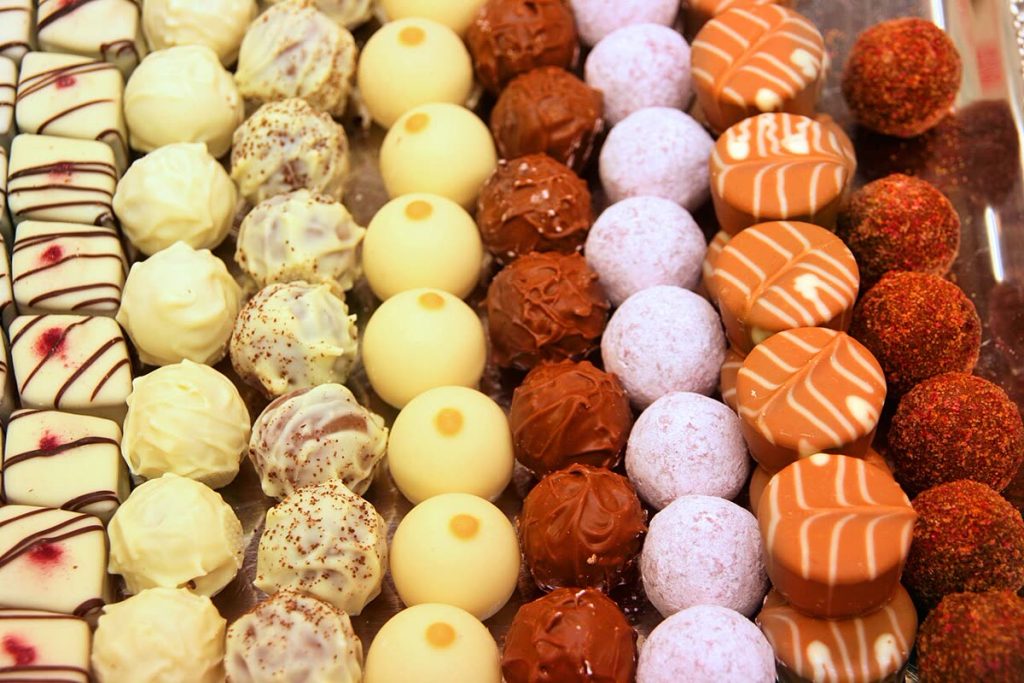
Ask for pralines in Brussels or Bruges and you will be handed filled chocolates. A thin moulded shell of chocolate surrounds a centre that might be nut paste, ganache, caramel, fruit cream or liqueur. Belgian chocolatiers made the shell-moulded technique famous in the early twentieth century, and a box of assorted pralines is still a traditional gift. Because the word describes a style of chocolate rather than a recipe, there is no guarantee that a Belgian praline contains nuts at all. Check the ingredients if you have an allergy.
The term “praliné” in Belgian shops often does refer to the hazelnut or almond filling, so the two meanings overlap. If you want the more technical breakdown of the chocolate side, the post on three different sweets that share the name offers another view.
American pralines
In the Southern United States, especially Louisiana and Texas, the word means something else again: a flat, round candy made from sugar, butter, cream or milk, and pecans. The mixture is cooked to a point where it sets with a creamy, slightly crumbly, fudge-like texture. Pecans grow naturally in the region, which is why they replaced the almonds of the French original. Pralines are a classic New Orleans souvenir, sold in sweet shops and often shaped by spooning the hot candy onto parchment or a marble slab to cool.
Comparing the three
| Type | Main ingredients | Texture | Typical use |
|---|---|---|---|
| French | Almonds or hazelnuts, caramelised sugar | Hard and crunchy, or smooth paste | Sweets, fillings, spreads, desserts |
| Belgian | Chocolate shell with varied fillings | Snappy shell, soft centre | Gift boxes, after-dinner treats |
| American | Pecans, sugar, butter, cream | Soft, creamy, slightly grainy | Snack, souvenir, ice cream topping |
How praline paste is made at home
- Toast the nuts in the oven until fragrant, then let them cool a little. Toasting wakes up their flavour.
- Melt sugar with a splash of water in a heavy pan, swirling rather than stirring much, until it turns a deep amber.
- Add the nuts to the caramel, stir to coat, then pour onto a lined tray and leave until completely hard.
- Break the slab into pieces and grind in a strong food processor. First it turns to crumbs, then to a sandy powder, then it slowly becomes a thick paste as the oils emerge. Be patient and scrape down the sides of the bowl often.
- Store in a clean jar in a cool, dark place, or in the fridge for longer keeping.
Hot caramel sticks to skin and causes serious burns, so keep children and pets away and never touch it to test it. A saucepan with a pale interior helps you judge the colour.
Ways to use praline
- Swirl praline paste into whipped cream or mascarpone for a quick filling.
- Stir crushed praline into vanilla ice cream, or scatter on top of a plain cake.
- Fold it into chocolate ganache for truffles.
- Use it as the flavour in a buttercream or mousse.
- Sprinkle the crushed hard version over porridge, yogurt or roast squash for crunch.
Fast-food desserts often borrow the same idea of crunchy caramelised pieces folded into a soft base. For an example of how that approach is used commercially, read what a McFlurry is made of.
Praline and allergies
Nuts are one of the most common causes of severe allergic reactions. Praline is built around them, and even a praline without nuts may be made on equipment that handles nuts. Anyone with an allergy should read the full ingredient list, look for “may contain” statements, and ask for allergen information when buying loose chocolates. In the UK, the Food Standards Agency publishes guidance on food allergies and labelling. For specific medical advice, speak to a doctor or allergy specialist.
Buying and storing praline
Choose chocolates with a glossy, even shell and a fresh smell. Hard praline keeps for months in a cool, dry container, while filled chocolates are best within a few weeks, particularly those with fresh cream or fruit. Store chocolate away from strong smells, heat and direct sunlight; the fridge is usually too humid unless the weather is hot, and the chocolate should be brought back to room temperature before serving to restore its flavour. American pralines are best within a few days and can be kept in an airtight tin at room temperature.
Frequently asked questions
Is praline the same as nougat?
No. Nougat is made by whipping sugar syrup with egg white or similar, often with nuts and fruit, and is chewy or crisp. Praline is nuts and caramel without the whipped base.
Does praline always contain nuts?
French and American versions do. A Belgian praline chocolate may have a filling that contains no nuts at all, so always check.
What is the difference between praline and praliné?
In English, praline can mean the candy in general. Praliné, with the accent, normally refers to the smooth nut paste used in baking and chocolate fillings.
Can I make praline without hazelnuts?
Yes. Almonds, pecans, walnuts or even pistachios work, and the flavour will change to match the nut you choose.
How should I say praline?
Americans usually say PRAH-leen or PRAY-leen, depending on region, while the British commonly say PRAH-leen. Neither is wrong.
Conclusion
So, what is praline? It is a family of nut-and-sugar sweets: crunchy and French, filled and Belgian, or soft and Southern American. Know which one is meant, check for nuts if allergies matter, and try a batch of homemade praline paste for a taste of the original.
Key takeaways about what is praline
Here is a short summary of what is praline so you can find the main points quickly.
- The sweet that started it all is generally credited to France.
- The result can be sold as hard, glossy sweets.
- Ask for pralines in Brussels or Bruges and you will be handed filled chocolates.
- The term "praliné" in Belgian shops often does refer to the hazelnut or almond filling, so the two meanings overlap.
If you only remember one thing about what is praline, make it the practical steps covered in this guide.
Check official sources before acting on anything related to what is praline, because details can change over time.
Questions about what is praline are common, so it helps to compare more than one trustworthy source.
Use this page as a starting point for what is praline and come back to it when your situation changes.
Good decisions about what is praline come from checking the facts, comparing your options and taking your time.
Save this guide to what is praline so you can find it again whenever you need a quick reminder.
Related reading:
- How to Reduce Puffy Eyes From Crying Quickly at Home
- Stardew Sturgeon: Stats, Uses and Whether It’s Worth Your Time
For general background, you can look up what is praline on Wikipedia.