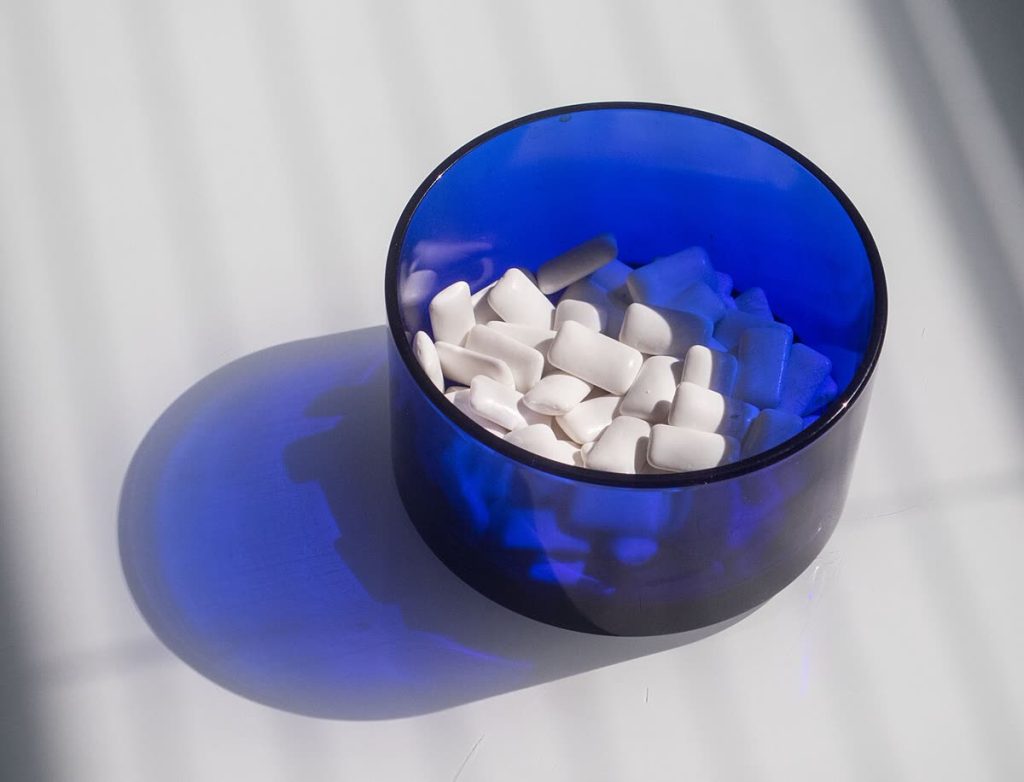
If you are asking can i have gum while intermittent fasting, the evidence-based answer is: sugar-free gum is unlikely to undo your weight-loss goals on most plans, but it is not a strictly “clean” fast, and regular gum containing sugar will break one. If you are fasting for a medical test or for religious reasons, follow the specific rules that apply rather than a general rule of thumb.
Key takeaways
- Regular gum contains sugar and calories, so it breaks a fast.
- Sugar-free gum has very few calories and is usually fine for weight-loss fasting.
- Strict, “clean” or medical fasts generally exclude gum.
- Sweeteners can cause cravings or digestive upset in some people.
- Check with a doctor or dietitian if you have diabetes or another health condition.
Why people reach for gum
The toughest parts of a fasting window are often late morning and evening, when hunger and habit collide. Chewing gum keeps the mouth busy, freshens breath and can reduce the urge to snack. It also stimulates saliva, which helps with a dry mouth when you are drinking less than usual. Those benefits explain why so many fasters ask about it.
What counts as breaking a fast?
There is no universal definition of a fast. Whether gum “breaks” it depends on your reason.
| Type of fasting | Gum verdict | Reasoning |
|---|---|---|
| Weight loss or general health | Sugar-free gum is usually acceptable | A few calories rarely affect overall intake |
| Strict or “clean” fasting | Best avoided | Flavours and sweeteners fall outside water, plain coffee and tea |
| Medical fasting before tests or surgery | Follow your clinician exactly | Chewing can affect digestion and some tests; instructions often forbid it |
| Religious fasting | Depends on tradition | Ask a knowledgeable religious authority |
The sugar-free question
Sugar-free gum normally contains sweeteners such as xylitol, sorbitol, aspartame or sucralose, together with a gum base and flavourings. A single piece contains only a small amount of energy, often under 10 calories. For someone who simply wants to eat within a set window, that is negligible. The debate is about whether sweet taste alone sets off a hormonal response, such as insulin release. The research on this is limited and mixed, and effects seem small and vary between people and sweeteners. The honest summary is that nobody can promise that sweet taste has no effect on your body, and nobody can show that it ruins a fast either.
Sugar alcohols such as sorbitol and xylitol can have a laxative effect when eaten in larger amounts, so chewing many pieces a day may cause bloating or loose stools, especially on an empty stomach. If you notice this, cut back.
How to use gum sensibly
- Choose sugar-free. Read the label for “sugar-free” and check the ingredients for sugar, glucose syrup or honey.
- Limit the amount. A piece or two, not a packet an hour.
- Pick mild flavours. Mint or no-added-flavour gum may feel less likely to trigger cravings than fruity or dessert flavours.
- Notice your response. If gum makes you hungrier, stop using it during the fast.
- Stay hydrated. Water, plain sparkling water, and unsweetened tea or black coffee are standard fasting drinks.
- Do not chew for hours. Over-chewing can tire the jaw muscles and cause headaches in some people.
Speaking of unsweetened drinks, it can help to know the right timing for a cup of tea during a fast; our chart on how long to steep a tea bag may be useful for avoiding a bitter brew.
Other things that can help with hunger
- Drink a glass of water, or hot unsweetened herbal tea, when hunger hits.
- Keep busy with a walk or work, because many cravings pass in 10 to 20 minutes.
- Eat balanced meals in your eating window, with protein, fibre and healthy fats, so you are less hungry later.
- Sleep enough; tiredness raises appetite.
- Brush your teeth, which can freshen your mouth and reduce the wish to snack.
Dental benefits and cautions
Sugar-free gum, particularly with xylitol, is often recommended by dentists as a way to increase saliva after eating, helping to protect teeth. Gum with sugar encourages decay and should be avoided. People with jaw pain, temporomandibular joint problems, braces or certain dental work should ask their dentist before chewing regularly. Pets, especially dogs, can be poisoned by xylitol, so keep gum well out of their reach.
When to ask for professional advice
Fasting is not suitable for everyone. If you are pregnant, breastfeeding, underweight, have a history of eating disorders, take medication for diabetes or blood pressure, or live with a chronic condition, talk to your doctor before you start. The NHS offers general guidance on healthy eating and weight at nhs.uk. For an overview of the topic, see the intermittent fasting article on Wikipedia, but remember that general information is not personal advice.
A realistic day of fasting with gum
Picture a common 16:8 pattern, where you eat between noon and 8 pm. You finish dinner at 8, have herbal tea in the evening and go to bed. In the morning you drink water and black coffee. By ten, your stomach starts to grumble. Here a piece of sugar-free mint gum can take the edge off the urge to snack while you wait two more hours. Notice that the gum is bridging a craving, not replacing a meal, and that your main strategy is still enough sleep, fluids and a satisfying first meal. If you eat that first meal and feel ravenous, it may point to a window that is too short or an evening meal that was too light, not to a problem with the gum.
Now compare a stricter approach: a 24-hour fast aiming for deeper metabolic effects. Some people in this group avoid anything but water, tea and coffee because they want the fast to be as clean as possible. If that is your aim, skip the gum and use other tools such as sparkling water or a short walk.
Myths worth ignoring
- “Any calorie ruins everything.” Fasting is not a switch that turns off at the first calorie; the practical effect of a few calories is small for most goals.
- “Gum burns fat.” Chewing uses a trivial amount of energy. It is not a weight-loss method.
- “Gum cleans your stomach.” It does not; it only moves saliva around.
- “Sweeteners are poison.” Approved sweeteners are considered safe at normal intakes by regulators, though individual tolerance varies.
The honest position is that the research is incomplete. Choose the approach you can keep to, pay attention to your body and be willing to adjust. Sustainable habits, not tiny rules, deliver results over months.
Frequently asked questions
Does sugar-free gum break a fast?
For weight-loss purposes, usually not in any meaningful way. For strict or medical fasts, it is best avoided.
Does regular gum break a fast?
Yes. It contains sugar and calories, which end the fasted state.
Can gum make me hungrier?
Some people find that it stimulates appetite, while others find it helps. Pay attention to your own response.
Can I chew gum before a blood test?
Follow the instructions you are given. Many clinics ask you not to chew gum before a fasting test.
Is there a limit on how much gum is fine?
There is no fixed number, but moderation is wise because of sweeteners and jaw strain. A piece or two is typical.
Conclusion
You can have gum while intermittent fasting in most casual plans if it is sugar-free and used sparingly. If your fast has a medical, religious or strict purpose, skip it and follow the specific rules you were given.
Key takeaways about can i have gum while intermittent fasting
Here is a short summary of can i have gum while intermittent fasting so you can find the main points quickly.
- The toughest parts of a fasting window are often late morning and evening, when hunger and habit collide.
- There is no universal definition of a fast.
- Sugar-free gum normally contains sweeteners such as xylitol, sorbitol, aspartame or sucralose, together with a gum base and flavourings.
- Sugar alcohols such as sorbitol and xylitol can have a laxative effect when eaten in larger amounts, so chewing many pieces a day may cause bloating or loose stools, especially on an empty stomach.
Check official sources before acting on anything related to can i have gum while intermittent fasting, because details can change over time.
Questions about can i have gum while intermittent fasting are common, so it helps to compare more than one trustworthy source.
Use this page as a starting point for can i have gum while intermittent fasting and come back to it when your situation changes.
Good decisions about can i have gum while intermittent fasting come from checking the facts, comparing your options and taking your time.
Save this guide to can i have gum while intermittent fasting so you can find it again whenever you need a quick reminder.
If you only remember one thing about can i have gum while intermittent fasting, make it the practical steps covered in this guide.
Related reading:
- Is It Bad Luck to Celebrate Your Birthday Early? The Real Story
- Function of the Coarse Adjustment Knob in a Microscope
For general background, you can look up can i have gum while intermittent fasting on Wikipedia.