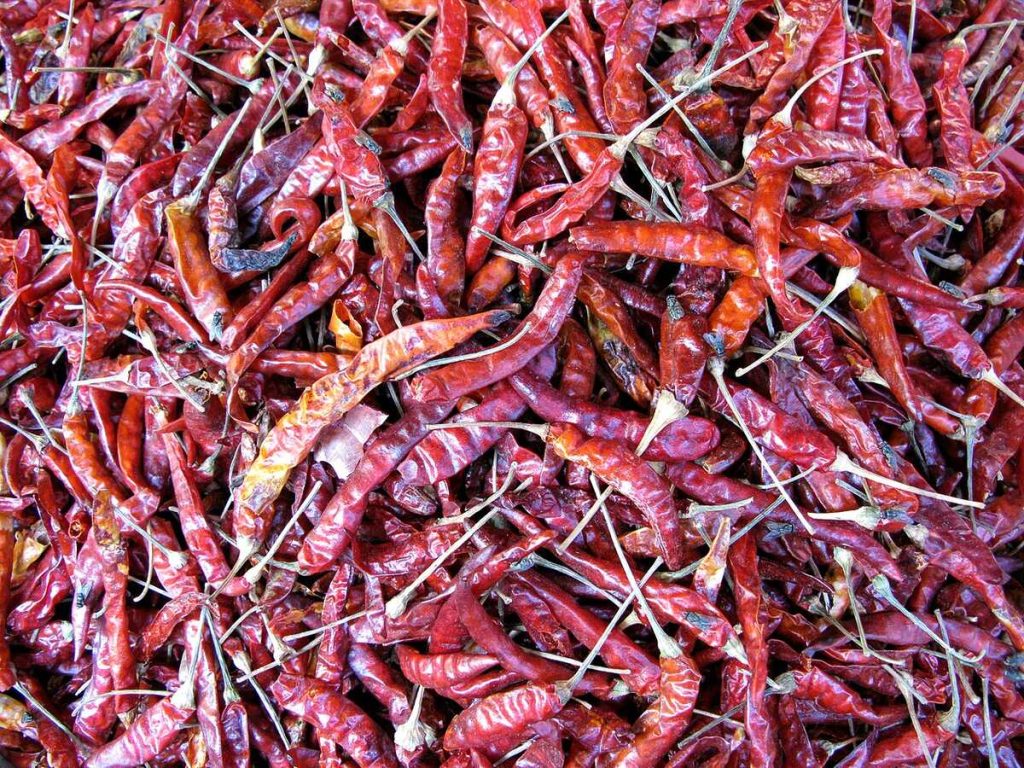
If you want to learn how to dry cayenne peppers in the oven, the method is simple: wash and dry the peppers, slice or leave them whole, spread them on a tray and dry them on the lowest oven setting for several hours until they snap. This guide walks you through each step, with times, temperatures, safety tips and ways to use your dried peppers afterward.
Key takeaways
- Use the lowest oven temperature, ideally around 140 to 170 F (60 to 75 C).
- Slice peppers lengthwise for faster, more even drying.
- Drying usually takes several hours; the peppers should be brittle, with no soft spots.
- Wear gloves and avoid touching your eyes, because capsaicin burns.
- Store fully cooled, fully dried peppers in an airtight jar away from light.
What you need
- Fresh cayenne peppers, firm and bright with no mold or soft spots.
- A baking sheet and a wire rack that fits on it, or parchment paper.
- A sharp knife and cutting board.
- Disposable gloves.
- An airtight glass jar for storage.
Cayenne is a long, thin chili with a medium to hot kick, and it is the pepper behind many hot sauces and ground red pepper blends. If you would like background reading, the Wikipedia page on cayenne pepper is a good start.
How to dry cayenne peppers in the oven, step by step
- Wash and dry. Rinse the peppers and pat them completely dry with a towel. Any extra water will lengthen the drying time.
- Put on gloves. Capsaicin can burn your skin and sting for hours. Do not touch your face.
- Trim. Remove the stems with a knife. Leave the seeds in if you like heat, or scrape them out for milder peppers.
- Slice. Cut the peppers in half lengthwise, or slice into rings. Smaller, thinner pieces dry faster. Whole peppers can be dried too, but pierce each one with a knife tip to let moisture escape.
- Arrange. Place the pieces cut side up on a rack set over a baking sheet, with space between them for air flow.
- Heat the oven. Set it to its lowest temperature. Many ovens bottom out at 170 F (75 C); some go lower.
- Prop the door. Leave the door slightly ajar, using a wooden spoon, to let steam escape. Check your oven manual if you are unsure.
- Dry and check. Start checking at around 3 hours. Rotate the tray and flip pieces if needed.
- Test for dryness. The peppers should be brittle and snap or crumble, not bend.
- Cool completely. Let them rest on the counter before storing, to avoid trapped moisture.
Timing and temperature guide
| Form | Suggested temperature | Approximate time | Notes |
|---|---|---|---|
| Halved lengthwise | 140 to 170 F (60 to 75 C) | 4 to 8 hours | Good all-round method |
| Rings | 140 to 170 F (60 to 75 C) | 3 to 6 hours | Check often, they dry quickly |
| Whole, pierced | 140 to 170 F (60 to 75 C) | 8 to 12 hours or more | Slowest, but easy to prep |
These are estimates. Humidity, oven accuracy and pepper size all change the timing, so rely on the snap test rather than the clock.
Troubleshooting
The peppers are leathery
They need more time. Return the tray to the oven and check every 30 minutes.
The edges are darkening or burning
Your oven is too hot. Reduce the temperature if you can, and prop the door open wider. Scorched peppers taste bitter.
The peppers smell strong and sting your eyes
Capsaicin fumes can irritate your throat and eyes when heated. Ventilate the kitchen, open a window and run the extractor fan. Keep pets and children out of the room.
There is mold in storage
This normally means the peppers were not dry enough or were jarred while warm. Discard moldy peppers and dry the next batch longer.
Other drying methods
- Air drying: String the peppers on thread and hang them in a warm, dry, airy spot. This works well in dry climates and can take weeks.
- Food dehydrator: Use the manufacturer’s recommended temperature for peppers, which is often similar to the oven range.
- Sun drying: Works only with hot, dry weather and protection from insects and rain.
Storing and using dried cayenne
Store fully dried peppers in a clean, dry glass jar with a tight lid, in a cool and dark cupboard. Properly dried peppers keep for many months, though their color and flavor fade gradually. Check them occasionally for moisture or mold.
Ways to use them
- Grind in a spice grinder to make your own cayenne powder or chili flakes.
- Toss a whole dried pepper into stews, soups or beans for warmth.
- Infuse oil or vinegar, then refrigerate and use quickly. Do not store homemade garlic or chili oils at room temperature for long periods because of food safety risks.
- Rehydrate in hot water for sauces.
When grinding, wear a mask or work outdoors, since the powder is irritating when breathed in. Wash the grinder well afterward.
Related kitchen reading
If you enjoy preserving and pantry projects, you might like our note on whether panko breadcrumbs go bad, a short guide to the best way to toast pine nuts and ideas for an orgeat syrup substitute when you are mixing drinks.
Safety and food quality notes
When you learn how to dry cayenne peppers in the oven, a few safety points are worth repeating. Never leave an oven running unattended for many hours without checking it, and use a timer to remind you to inspect the tray. Choose peppers that are fresh and free from blemishes, since drying does not fix spoilage. Wash your hands, knife and cutting board with soap afterward, and avoid wiping your eyes or touching contact lenses until you have washed thoroughly. If your hands burn, rubbing them with a little oil before washing with dish soap often helps remove capsaicin better than water alone. Label your jars with the date, so you can use the oldest batch first.
Frequently asked questions
How long does it take to dry cayenne peppers in the oven?
Usually 3 to 8 hours for halves or rings, longer for whole peppers. Test for a brittle snap.
What temperature should I use?
The lowest your oven offers, ideally 140 to 170 F (60 to 75 C).
Should I leave the oven door open?
A small gap helps moisture escape, but check your oven’s instructions and keep children and pets away.
Do I need to remove the seeds?
No. Seeds add heat. Remove them if you prefer a milder result.
How do I store dried cayenne peppers?
In an airtight jar in a cool, dark place, after cooling fully and confirming they are brittle.
Conclusion
Now you know how to dry cayenne peppers in the oven: slice them, dry them low and slow with the door slightly open and test for a brittle snap. Wear gloves, ventilate well and store them airtight. A single tray can supply your kitchen with heat for months.
Key takeaways about how to dry cayenne peppers in the oven
Here is a short summary of how to dry cayenne peppers in the oven so you can find the main points quickly.
- Cayenne is a long, thin chili with a medium to hot kick, and it is the pepper behind many hot sauces and ground red pepper blends.
- Capsaicin fumes can irritate your throat and eyes when heated.
- This normally means the peppers were not dry enough or were jarred while warm.
- Store fully dried peppers in a clean, dry glass jar with a tight lid, in a cool and dark cupboard.
Save this guide to how to dry cayenne peppers in the oven so you can find it again whenever you need a quick reminder.
If you only remember one thing about how to dry cayenne peppers in the oven, make it the practical steps covered in this guide.
Check official sources before acting on anything related to how to dry cayenne peppers in the oven, because details can change over time.
Questions about how to dry cayenne peppers in the oven are common, so it helps to compare more than one trustworthy source.
Related reading:
- Phone Won’t Charge After Water: What to Do and What to Avoid
- Lovage Tea Benefits: What the Herb Is and What to Know
For general background, you can look up how to dry cayenne peppers in the oven on Wikipedia.