Whether you are new to oh the places you ll go poem or just need a quick refresher, the sections below walk through the key points.
The Oh, the Places You’ll Go poem is the best-known late work of Dr. Seuss, a rhyming picture book first published in 1990 about the ups, downs and in-between moments of growing up and setting out in life. It is a staple graduation gift, and because the text is protected by copyright, this guide explains what it is about rather than reproducing it.
Key takeaways
- It was published in 1990 and was the last Dr. Seuss book released in his lifetime.
- The book speaks directly to “you” and treats success, doubt and waiting as normal parts of life.
- It is popular for graduations, new jobs and milestone birthdays.
- The full text is copyrighted, so buy or borrow a copy rather than copying it online.
Where Oh, the Places You’ll Go comes from
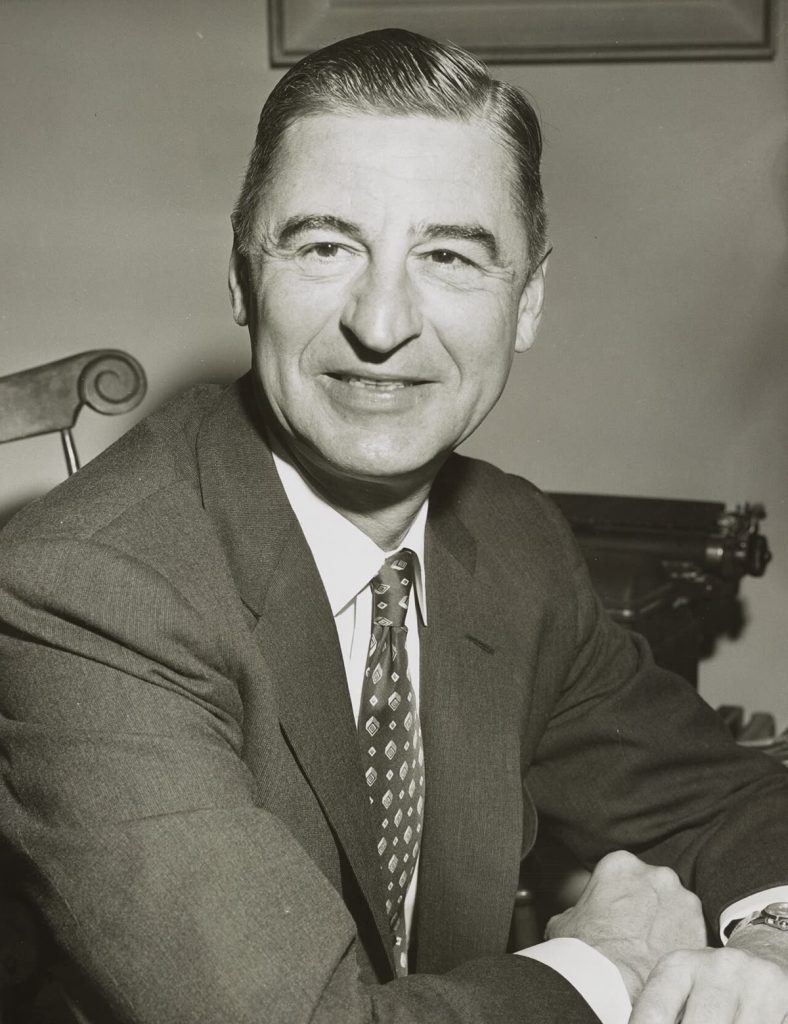
Dr. Seuss was the pen name of Theodor Seuss Geisel, the American author and illustrator behind The Cat in the Hat, Green Eggs and Ham and many other children’s classics. Oh, the Places You’ll Go! appeared in 1990, and Geisel died the following year, in 1991. That timing is one reason the book is often read as a kind of parting message to the young. You can read a general biography of the author on the Wikipedia page for Dr. Seuss.
Although it looks like a children’s picture book, with bright illustrations and bouncing rhyme, it was written with a wider audience in mind. Many adults first meet it at a graduation ceremony or when someone gives them a copy at a turning point.
What the poem is about
The book is told in the second person. A narrator speaks straight to the reader, who is a young person ready to head out into the world. The story moves through a loose sequence of moods:
- Starting out: the excitement of beginning something new and the sense that you can choose your own direction.
- Early success: the thrill of going well, being noticed and feeling unstoppable.
- Trouble and confusion: things go wrong, paths are unclear and you may feel lost or lonely.
- The waiting place: a famous section describing the stretches of life spent waiting for something to happen.
- Moving on: the reminder that you have the ability to steer, and that the journey continues.
The message is hopeful but honest. It does not promise that everything will turn out well, and it admits that disappointment and slumps are part of the ride. That blend of encouragement and realism is much of why readers return to it.
Themes worth talking about
Choice and responsibility
The book repeatedly stresses that you are the one who decides which way to go. That is empowering, but it also means you cannot blame others for every outcome. This makes it a good prompt for a conversation about goals and independence.
Setbacks as normal
Many motivational books focus only on winning. This one spends real time on the low points, which can be reassuring for a nervous graduate or someone starting over.
Patience
The waiting section reminds readers that stalled periods are common. Whether you are waiting for exam results, a job offer or a change in life, the image of a place where people sit around hoping for something to happen still resonates.
Why people give it as a graduation gift
Few books capture a life transition so neatly and so briefly. It takes only a few minutes to read, it is warm without being preachy, and it suits ages from primary school to university. People also like that it works as a keepsake: you can write a message on the first pages and the book stays on a shelf for decades.
| Occasion | Why it fits | Gift idea |
|---|---|---|
| School or university graduation | Marks a clear step into something new | Add a handwritten note about your hopes for them |
| First job or move | Speaks to nerves and excitement | Pair with a small practical gift |
| Retirement or career change | Treats new chapters as adventures | Include a favourite memory |
| Birthday milestones | Light but reflective | Choose a hardback edition |
How to read it with others
If you want to use the book with a child, a class or a group, a few ideas make it more than a quick read-aloud.
- Read it slowly and let the pictures set the mood for each stage.
- Pause at the low points and ask what the character could do next.
- Ask listeners what places they hope to go, in the literal and the figurative sense.
- Have older students write their own short rhyming advice for a future graduate.
- Talk about the waiting section and what helps when progress feels slow.
Teachers and parents can use it as a gentle way into discussing resilience, which is easier than lecturing on the subject.
Copyright and where to find the text
The poem is still under copyright, so full online transcripts and copied excerpts are often unauthorised. The simplest legal routes are to buy a print or audio edition from a bookshop, borrow it from your local library or check the publisher’s official website for approved formats. If you are preparing a speech or class presentation, a short quotation for commentary is usually treated differently from copying the whole book, but rules vary by country, so check local guidance or ask the publisher if in doubt.
Planning a graduation celebration afterwards? If you are in the south-west of England, our guide to places to eat in Newquay may help you find somewhere for the family meal.
Frequently asked questions
Who wrote Oh, the Places You’ll Go?
It was written and illustrated by Dr. Seuss, the pen name of Theodor Seuss Geisel. It was published in 1990.
Is it a children’s book or an adult book?
It is formatted as a picture book, but it is aimed just as much at older readers facing change. That is why it is so often given to graduates.
Can I print the poem for a card or a speech?
The text is under copyright, so reproducing large parts without permission is not advisable. A short quotation for commentary may be acceptable in some places, but you should check local rules or contact the publisher.
How long does it take to read?
Most people finish it in well under half an hour, and often in far less if reading silently. Read aloud with pictures and pauses, it may take a bit longer.
What is the main message?
Life offers many possible paths, you are responsible for choosing yours, and both triumphs and difficult stretches are a normal part of the journey.
Conclusion
The Oh, the Places You’ll Go poem endures because it is short, kind and honest. It celebrates possibility while admitting that everyone faces confusion and waiting along the way. Whether you are giving it to a graduate, reading it with a class or revisiting it yourself, a legitimate copy from a bookshop or library is the best way to enjoy it.
Key takeaways about oh the places you ll go poem
Here is a short summary of oh the places you ll go poem so you can find the main points quickly.
- The Oh, the Places You'll Go poem is the best-known late work of Dr.
- Although it looks like a children's picture book, with bright illustrations and bouncing rhyme, it was written with a wider audience in mind.
- The book is told in the second person.
- The book repeatedly stresses that you are the one who decides which way to go.
If you only remember one thing about oh the places you ll go poem, make it the practical steps covered in this guide.
Check official sources before acting on anything related to oh the places you ll go poem, because details can change over time.
Questions about oh the places you ll go poem are common, so it helps to compare more than one trustworthy source.
Use this page as a starting point for oh the places you ll go poem and come back to it when your situation changes.
Good decisions about oh the places you ll go poem come from checking the facts, comparing your options and taking your time.
Save this guide to oh the places you ll go poem so you can find it again whenever you need a quick reminder.
Related reading:
For general background, you can look up oh the places you ll go poem on Wikipedia.