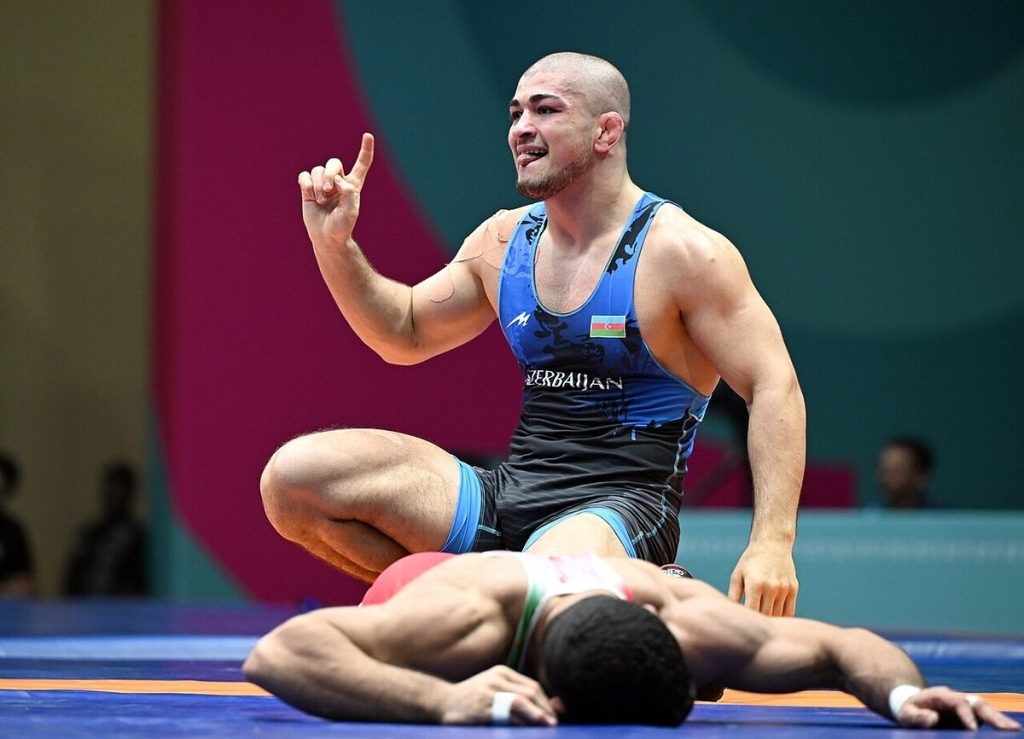
Cauliflour ear, more usually spelled cauliflower ear, is a lasting deformity of the outer ear that develops when a blow or repeated friction causes blood to collect under the skin covering the cartilage. If the blood is not drained quickly, the cartilage can be starved of nourishment, new scar tissue forms and the ear ends up lumpy and thickened. It is common in combat sports such as rugby, wrestling, boxing and martial arts, and it is much easier to prevent or treat early than to correct later.
Key takeaways
- The condition starts as a swelling (an auricular haematoma) after trauma, then progresses to hardening and permanent shape change if untreated.
- Seeing a doctor within hours of the injury gives the best chance of avoiding permanent deformity.
- Do not try to drain the ear yourself, since this risks infection and reforming blood collections.
- Protective headgear and prompt first aid can greatly lower your risk.
What is cauliflour ear?
The outer ear is shaped by cartilage with a thin layer of skin on top. The cartilage gets its nutrients from a thin membrane called the perichondrium. A hard knock, twisting force or repeated rubbing can tear small blood vessels and separate that membrane from the cartilage. Blood fills the gap, forming a haematoma. With the blood supply cut off, the cartilage can be damaged, and the body lays down fibrous tissue. As this tissue builds up, the ear takes on the lumpy, folded look that gave the condition its name.
This article is general information, not a diagnosis. If you have an ear injury, see a doctor.
The stages of cauliflour ear
The condition develops in recognisable steps. How quickly it moves from one stage to the next varies from person to person.
| Stage | What happens | What you may notice |
|---|---|---|
| — | — | — |
| 1. Injury | A blow or friction damages small vessels | Pain, redness, warmth |
| 2. Haematoma | Blood collects under the skin | A soft, bruise-like swelling that fills the ear folds |
| 3. Organising | The blood begins to clot and thicken | A firmer, rubbery lump |
| 4. Fibrosis | Scar tissue forms and cartilage may be damaged | Hardened, lumpy contours |
| 5. Permanent deformity | The ear keeps the distorted shape | Thickened, irregular ear that may block the canal |
Stage 1 and 2: the first hours
Right after the injury, the ear may be sore, red and swollen. Within hours, the lost definition of the folds suggests a haematoma is forming. This is the point when treatment works best, ideally within the first day or two.
Stage 3 and 4: days to weeks
If untreated, the blood clots and the swelling becomes firm. Over a few weeks, scar tissue replaces the clot and the cartilage can be damaged. Draining is harder at this point, and surgery may be considered.
Stage 5: the lasting shape
Once the scar tissue has set, the shape is permanent without surgical correction. Some people accept the look, as it is common in fighters, but severe cases can narrow the ear canal and may impair hearing or make it hard to wear earphones.
First aid and what to do right away
- Apply a cold compress or ice wrapped in a cloth to the ear for 10 to 15 minutes at a time, which may help limit swelling.
- Apply gentle, even pressure with a clean dressing.
- Stop training or contact play and protect the ear from further blows.
- See a doctor, emergency department or urgent care service promptly, ideally within 24 hours.
- Do not pierce, squeeze or try to drain the swelling yourself.
You can find general information about ear problems on the NHS conditions pages. In an emergency, or if you have a head injury, dizziness, confusion or hearing loss, get urgent help.
How doctors treat it
Drainage
A clinician numbs the ear and drains the blood with a needle or a small incision. This may need to be repeated, because blood can refill the space.
Compression
After drainage, a firm dressing, stitched bolsters or a moulded splint holds the skin against the cartilage so the space cannot refill. The dressing may stay for several days. Follow your doctor’s advice about checking it, and watch for signs of infection, such as spreading redness, pus, severe pain or fever.
Antibiotics
These may be prescribed to guard against infection of the cartilage, which can be serious.
Surgery for established deformity
When the ear has hardened, a plastic or ENT surgeon may reshape it. Outcomes depend on the severity and the surgeon’s approach, so ask about risks and expectations.
Preventing cauliflour ear
- Wear properly fitted headgear in contact sports such as rugby, wrestling, boxing and mixed martial arts.
- Choose gear that covers the ear without pressing painfully on it.
- Treat every ear knock seriously, and do not wait for the swelling to go down by itself.
- Teach young athletes to report ear injuries immediately.
- Coaches should keep a plan for same-day medical referral.
Common myths
- **It goes away on its own**: a small bruise can, but an organised haematoma generally does not resolve neatly.
- **Ice alone fixes it**: cold helps, but a collection of blood often needs drainage.
- **It only affects fighters**: any hard ear injury, including from a fall or a car accident, can cause it.
- **Draining at home is fine**: this can cause infection and further damage.
Related reading
For more explanations of body and health topics, see our posts on how to remove a hickey fast (which covers how bruises behave), the stages of wart healing and dead nerve in tooth symptoms. For a medical overview, the Wikipedia article on cauliflower ear provides background reading.
Frequently asked questions
What is cauliflour ear?
It is a deformity of the outer ear caused by blood collecting under the skin and damaging the cartilage after an injury. The usual spelling is cauliflower ear.
How quickly should it be treated?
As early as possible, ideally within the first 24 to 48 hours. Draining early lowers the risk of permanent shape change.
Can cauliflour ear be reversed?
Early cases can be treated successfully. Once the tissue has hardened, only surgery can change the shape.
Does it affect hearing?
Usually not, but in severe cases the ear canal can narrow, which may make hearing or wearing earphones harder.
How can I prevent it?
Wear well-fitting headgear in contact sports, and get medical care promptly for any ear injury.
Conclusion
Cauliflour ear moves from a soft swelling to a permanent lump in a matter of weeks, but the process can be interrupted if you act fast. Protect your ears, get injuries checked early and avoid do-it-yourself drainage to give your ear the best chance of keeping its natural shape.
Key takeaways about cauliflour ear
Here is a short summary of cauliflour ear so you can find the main points quickly.
- Cauliflour ear, more usually spelled cauliflower ear, is a lasting deformity of the outer ear that develops when a blow or repeated friction causes blood to collect under the skin covering the cartilage.
- The outer ear is shaped by cartilage with a thin layer of skin on top.
- This article is general information, not a diagnosis.
- Right after the injury, the ear may be sore, red and swollen.
Questions about cauliflour ear are common, so it helps to compare more than one trustworthy source.
Related reading:
- T Mobile Carrier Hub: What the Android App Is and Does
- Pearled Barley Benefits: Nutrition, Uses and Things to Know
For general background, you can look up cauliflour ear on Wikipedia.