If you are asking why do I have fruit flies in my bedroom, the cause is almost always something that is fermenting, rotting or staying damp nearby. Fruit flies can arrive from a bowl of fruit, a forgotten glass or bin, but tiny black flies in a bedroom are just as often fungus gnats from houseplants or drain flies from a bathroom. The good news is that you can usually fix the problem in a week or two by finding the source and cutting off the food and moisture they need.
Key takeaways
- Fruit flies come for fermenting food, sugary drinks and damp organic matter, even in small amounts.
- Tiny black flies near plants are probably fungus gnats, not fruit flies.
- Remove the source first; traps only catch the adults that are already flying.
- Keep food sealed, bins clean and drains flushed to stop them returning.
Why do I have fruit flies in my bedroom?
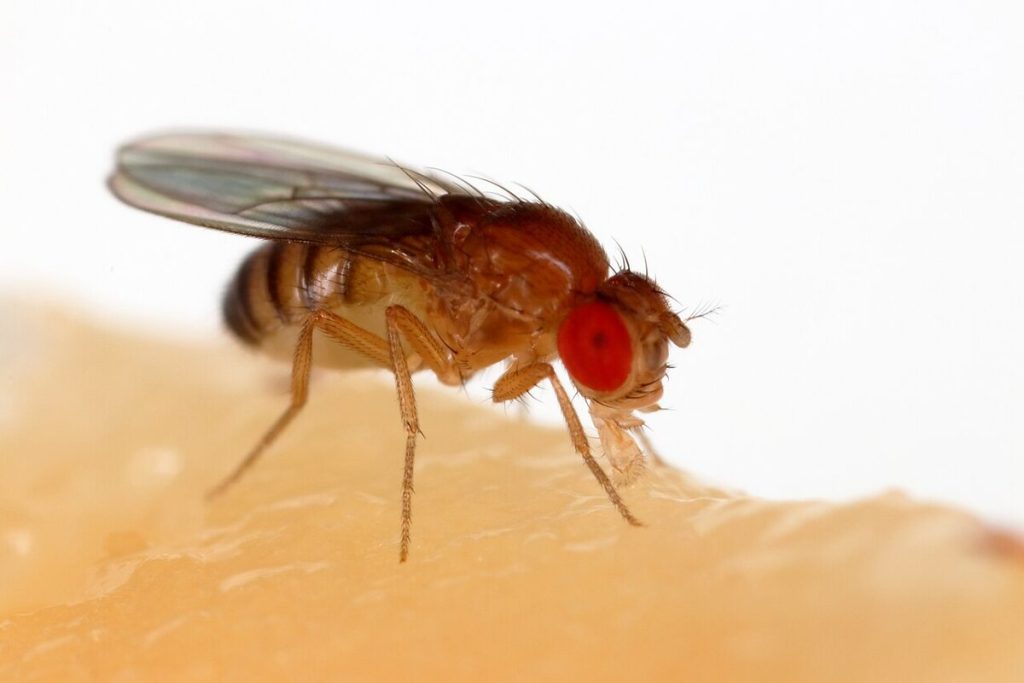
Fruit flies are attracted to the smell of fermenting sugars. They enter homes through windows, doors and on groceries, and they breed incredibly fast: a female can lay hundreds of eggs, and the cycle from egg to adult can take around a week in warm conditions. That means a small hidden source can produce a lot of flies quickly.
In a bedroom, typical sources include:
- A half-finished drink, juice glass or can left on a bedside table.
- Fruit, snacks or takeaway containers left in a room or bag.
- A bin with food scraps or wet tissues.
- A houseplant with constantly wet soil.
- Dirty laundry with food or drink spills.
- A damp patch or plughole in an adjoining bathroom.
Look around slowly and sniff. Something sour, sweet or musty is likely to be the culprit.
Identify what you actually have
Not every tiny fly is a fruit fly. The fix depends on the type.
| Fly | Appearance | Where you see them | Main cause |
|---|---|---|---|
| Fruit fly | Tan to brown, red eyes, about 3 mm | Around food, drinks, bins | Fermenting food |
| Fungus gnat | Small, dark, slender, weak flyers | Around plants and windows | Wet potting soil |
| Drain fly | Fuzzy, moth-like, dark | Bathroom walls and sinks | Slime in drains |
| Phorid fly | Dark, humpbacked, run in jerky bursts | Floors and bins | Decaying matter |
If the flies hover over soil, they are probably fungus gnats. If they cluster by a sink or drain, they are drain flies. You can read more about the common fruit fly species on Wikipedia.
Step-by-step: how to get rid of them
- Find and remove the source. Check the room carefully. Remove drinks, wrappers, fruit and anything damp or smelly. Wash bedding or clothes that have food on them.
- Empty and clean bins. Take rubbish out, then wash the bin with hot water and soap.
- Check plants. If you have houseplants, look at the soil. If it is soggy, let the top few centimetres dry out.
- Clean drains in the nearby bathroom. Scrub the plughole, then flush with hot water. Use a brush rather than just pouring chemicals.
- Set traps. Put a small dish of apple cider vinegar with a drop of washing-up liquid near where you see flies. The soap breaks the surface tension so they sink.
- Use sticky traps near plants and windows to catch adults.
- Vacuum any flies you see, then empty the vacuum outside.
- Repeat every day for a week or two to break the cycle.
If the flies come from houseplants
Fungus gnats lay eggs in damp soil, and the larvae feed on roots and organic matter. They are annoying but mostly harmless to people. To fix the problem:
- Water less often, and let the top of the soil dry between waterings.
- Remove standing water from the saucer.
- Add a thin layer of sand or grit on top of the soil to discourage egg-laying.
- Place yellow sticky traps near the pot.
- Repot with fresh, well-draining soil if the infestation is severe.
Overwatering causes more plant problems than gnats, as described in overwatering and yellow leaves on indoor plants, so correcting your routine helps the plant too.
If the flies come from the kitchen or food
Sometimes the flies are not coming from the bedroom at all. They may be travelling from the kitchen, especially if you have fruit or vegetables out. Store ripe produce in the fridge, wash fruit when you get home, and clear compost promptly. The same principles apply to other produce, so it is helpful to read about how long produce lasts in the fridge. If you dry or preserve food, such as in drying peppers so they do not rot, make sure it is fully dry and stored properly, because damp food is an invitation.
Prevention checklist
- Take drinks and food plates out of the bedroom every day.
- Close bins and empty them regularly.
- Keep windows and doors screened where possible.
- Check grocery bags and fruit before bringing them in.
- Clean sticky spills straight away.
- Flush drains weekly with hot water.
- Fix leaks and reduce damp.
- Do not let laundry stay wet in a basket.
When to call a professional
Most infestations clear up with good housekeeping. If you have done everything and the flies keep coming back after several weeks, there may be a hidden source such as rotting food in the wall space, a damaged drain or a leak. In that case, contact a landlord, a plumber or a licensed pest control service. If you rent, tell your landlord, especially if you suspect a drain, damp or ventilation issue.
Health and safety
Fruit flies are a nuisance rather than a major health threat, but they can carry bacteria from decaying matter, so keep food covered and wash your hands. Avoid using strong chemical sprays in a bedroom where you sleep. If you have asthma, allergies or other respiratory concerns, ask a doctor or pharmacist for advice before using any insecticide. Always follow the label and keep products away from children and pets.
Frequently asked questions
Why do I have fruit flies in my bedroom but not in my kitchen?
The source may be a drink, snack, plant or damp item in the room. Search for fermenting or wet material.
Are tiny black flies in my bedroom fruit flies?
Not always. They may be fungus gnats from plants or drain flies from a nearby bathroom. Check where they gather.
How long do fruit flies live?
They can live for a few weeks, and a population can grow very quickly if there is food and warmth.
Does vinegar really work?
A vinegar trap with a drop of washing-up liquid catches many adults, but you also need to remove the source.
Are fruit flies dangerous?
They are generally a nuisance, but they can spread germs from rotting food. Keep food covered and the area clean.
Conclusion
If you keep wondering why do I have fruit flies in my bedroom, start by looking for fermenting food, wet soil or a damp drain. Remove the source, set a few simple traps and keep the room clean and dry. Stick with it for a week or two, and the flies will usually disappear for good.
Key takeaways about why do i have fruit flies in my bedroom
Here is a short summary of why do i have fruit flies in my bedroom so you can find the main points quickly.
- If you are asking why do I have fruit flies in my bedroom, the cause is almost always something that is fermenting, rotting or staying damp nearby.
- Fruit flies are attracted to the smell of fermenting sugars.
- Not every tiny fly is a fruit fly.
- If the flies hover over soil, they are probably fungus gnats.
Save this guide to why do i have fruit flies in my bedroom so you can find it again whenever you need a quick reminder.
If you only remember one thing about why do i have fruit flies in my bedroom, make it the practical steps covered in this guide.
Check official sources before acting on anything related to why do i have fruit flies in my bedroom, because details can change over time.
Related reading:
- Why Are Diploma Frames So Expensive? What You Pay For
- Kroger Party Platters: Menu Ideas and Ordering Tips
For general background, you can look up why do i have fruit flies in my bedroom on Wikipedia.