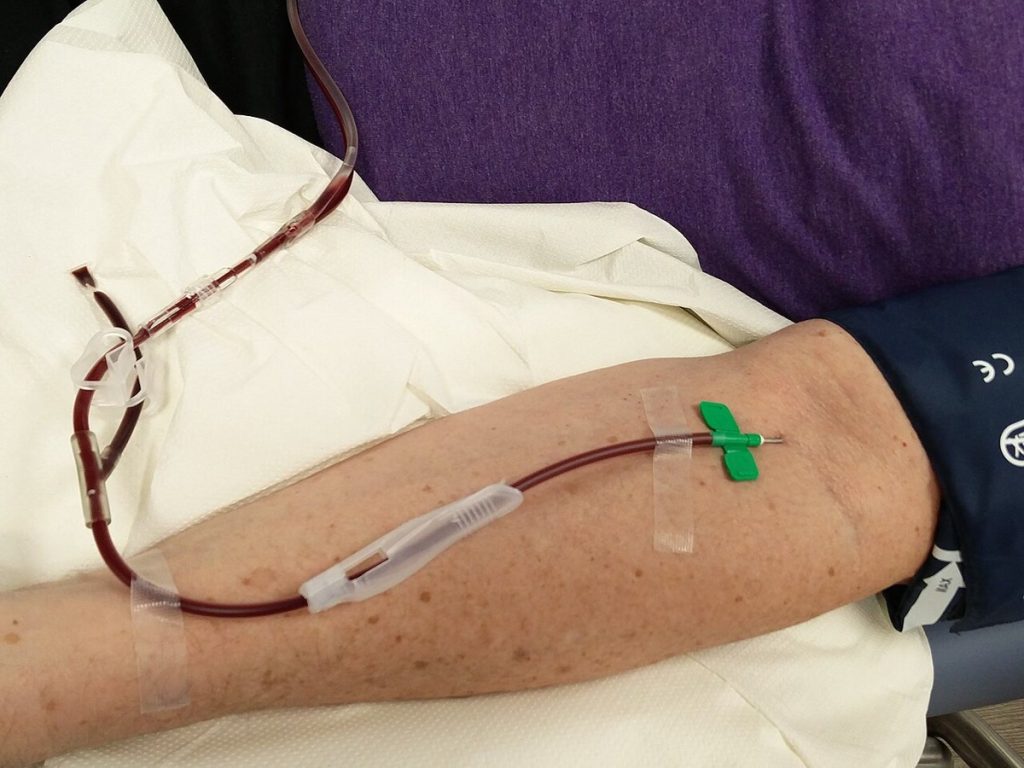
The Kedplasma donor questionnaire is a health and lifestyle screening that every plasma donor completes before donating. The Spanish word cuestionario simply means questionnaire, and many centres offer the form in both English and Spanish. This article explains what kind of questions to expect, how screening usually works, and how to prepare, so your first visit goes smoothly. Always follow the instructions given by your local centre, as procedures can vary.
Key takeaways
- The questionnaire covers health history, medications, travel and lifestyle to protect donors and patients.
- A first visit usually includes ID checks, a questionnaire, a basic physical check and screening tests.
- Answer honestly; the questions exist for safety, not judgement.
- Eat, drink water and bring required identification before you go.
What the questionnaire is for
Plasma is the liquid part of blood, used to make medicines for people with conditions such as immune deficiencies and clotting disorders. Because the product is given to vulnerable patients, plasma centres must screen every donor carefully. The questionnaire is one layer of that screening. It works alongside blood tests, a brief physical check and regulatory rules. You can learn about the substance itself in the Wikipedia article on blood plasma.
The company behind Kedplasma is part of a larger group that collects plasma in the United States. For current donor information, locations and requirements, check the official Kedplasma website or call your nearest centre. I cannot see your local rules, so use this guide as an overview only.
What to expect at your first visit
Most centres follow a similar sequence for new donors.
- Registration, with a photo ID and proof of address, plus other documents the centre requests.
- A digital or paper questionnaire about your health and habits.
- A confidential interview or review with trained staff.
- A short physical check covering things like blood pressure, pulse, temperature, height and weight.
- A small blood sample to check protein and other levels.
- If you pass, the donation process begins.
Your first visit usually takes longer than later ones, often a couple of hours or more. Later visits are quicker once you are in the system.
Kedplasma donor questionnaire: common question areas
The Kedplasma donor questionnaire follows standard plasma industry practice. I will not list exact wording, because it is set by the centre and regulators and can change. These are the broad areas.
| Topic | Why it is asked | Examples of what may be covered |
|---|---|---|
| General health | To confirm you feel well enough to donate | Recent illness, fever, cough, infections |
| Medical history | To protect donor and recipient | Heart conditions, bleeding disorders, chronic illnesses, surgeries |
| Medications | Some drugs affect eligibility | Prescriptions, antibiotics, certain acne or hair loss treatments |
| Vaccinations | Timing rules apply after some vaccines | Recent shots and dates |
| Travel | Some regions carry specific health risks | Recent trips abroad |
| Lifestyle and exposure | Reduces infection risk | Tattoos, piercings, certain exposures, relevant risk behaviour |
| Recent donations | Limits on frequency | Plasma or blood donated in recent weeks |
You may be asked sensitive questions. Staff are trained to handle them privately. Honest answers keep both you and the patients who receive the product safe.
How to prepare before you go
The day before
- Sleep well and avoid heavy alcohol.
- Drink plenty of water throughout the day.
- Eat balanced meals with protein and iron-rich foods such as beans, eggs and leafy greens.
The day of your visit
- Eat a decent meal a few hours beforehand; avoid very fatty food.
- Drink extra water, since hydration makes vein access easier.
- Bring photo ID, proof of address and any other items the centre requires.
- Wear a short-sleeved or loose top that rolls up easily.
- Take a list of your medications and doses.
If you are taking any medication or have a condition and are unsure whether it affects eligibility, ask the centre before your visit. For medical advice about your own health, talk to a doctor or other qualified healthcare professional.
Why you might be deferred
Not everyone qualifies on the first try, and that does not mean anything is wrong with you. Temporary deferrals are common. Reasons can include a recent illness, a low protein reading, high blood pressure on the day, a recent tattoo, a recent vaccine, or certain medications. The centre will tell you if you can return later and when. If your questionnaire reveals a longer-term reason, they will explain it privately. If you are curious about other screening-type topics, our piece on how far back a hair follicle test goes gives a good sense of how detection windows work in testing.
Compensation, safety and your rights
Many centres in the US compensate donors for time, with payment structures that vary and often reward regular visits. Always read the terms provided at your centre and do not rely on figures posted by third parties. Donation is regulated, and you are free to ask questions, take breaks or stop. Report dizziness, bruising that worsens, or other problems to staff right away and seek medical help if needed.
Healthy eating helps maintain your energy between visits. Our notes on whether canned tuna is healthy and the possible effects of chia may give protein and food ideas.
Frequently asked questions
What does cuestionario mean on the Kedplasma form?
It is Spanish for questionnaire. Some centres provide the donor screening form in Spanish as well as English, and staff can help you if you need support.
Do I have to answer every question?
Yes, the screening must be completed for you to donate. If a question is unclear, ask a staff member to explain it.
How long does the first visit take?
Often a couple of hours or more, because it includes registration, screening and the physical check. Later visits are usually shorter.
What ID do I need?
Centres commonly ask for a photo ID and proof of address, and sometimes other documents. Confirm the current list with your local centre.
Can I fail the questionnaire?
You may be deferred temporarily or permanently based on your answers and test results. Deferral is a safety decision, not a personal judgement.
Conclusion
The Kedplasma donor questionnaire is a routine safety step. Prepare your ID, stay hydrated, answer honestly and ask questions when something is unclear. For the latest requirements, check with your local centre or the official website.
Key takeaways about kedplasma donor questionnaire
Here is a short summary of kedplasma donor questionnaire so you can find the main points quickly.
- The Kedplasma donor questionnaire is a health and lifestyle screening that every plasma donor completes before donating.
- Plasma is the liquid part of blood, used to make medicines for people with conditions such as immune deficiencies and clotting disorders.
- The company behind Kedplasma is part of a larger group that collects plasma in the United States.
- Most centres follow a similar sequence for new donors.
If you only remember one thing about kedplasma donor questionnaire, make it the practical steps covered in this guide.
Check official sources before acting on anything related to kedplasma donor questionnaire, because details can change over time.
Related reading:
- Clinton, AR Obituaries: How to Find Recent Notices
- Is It Bad to Jump Start Another Car? Risks and Safe Steps
For general background, you can look up kedplasma donor questionnaire on Wikipedia.