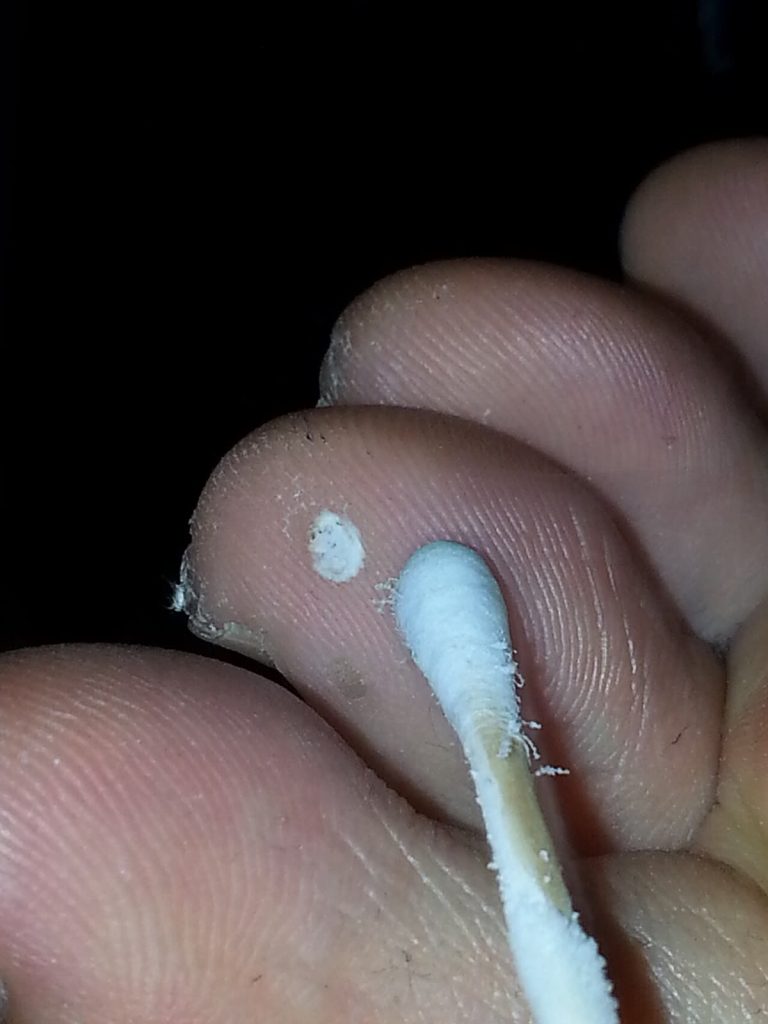
The stages of freezing off a wart follow a fairly predictable pattern: a sharp, stinging freeze, redness and sometimes a blister within a day, a scab or dark crust over the next several days, and then shedding of the treated skin over one to three weeks. Many warts need more than one round, so seeing the cycle repeat does not mean anything has gone wrong. This is general information, not a substitute for advice from a doctor, pharmacist or podiatrist.
Key takeaways
- Expect stinging during the freeze, then redness, tenderness and often a blister within the first day.
- A dark or black wart and a scab are normal and usually mean the treatment is working.
- Healing commonly takes one to three weeks, and soles of the feet are slower than hands.
- Repeat treatments are common; ask for a different approach if there is no change after several tries.
- People with diabetes, poor circulation or a weakened immune system should get medical advice first.
What cryotherapy actually does
Cryotherapy uses extreme cold to damage wart tissue. In a clinic this is normally liquid nitrogen, applied with a spray or a cotton bud. Pharmacies also sell cold-spray kits for home use, although these are not as cold as the clinical version and may need more attempts. The aim is to freeze the wart and a thin rim of skin around it, causing the infected cells to die and the body to replace them. Warts are caused by the human papillomavirus, so the treatment is as much about getting the immune system to notice the virus as about destroying tissue.
Stage 1: the freeze
During application you will feel cold, then a stinging or burning sensation that fades within a minute or so. The wart and a little of the skin around it turn white. A clinician decides on the number and length of freezes based on the wart’s size, depth and position, so there is no single timing. If you use a home kit, the leaflet’s timing is not optional: freezing for longer than directed does not make it work better, it just makes damage to healthy skin more likely.
Stage 2: redness and tenderness in the first day
As the skin thaws it usually turns red and feels tender or throbbing. Mild swelling is normal. Some people see a blister form within hours, either clear or slightly bloody. That is part of the skin’s reaction to the cold and is not automatically a sign of trouble. Try not to burst it. The blister roof is a natural dressing over the raw skin and lowers the chance of infection. If it is in a spot that rubs, a soft plaster or a ring-shaped pad can take the pressure off.
Stage 3: blister, scab or dark crust (days two to seven)
Over the next few days the blister dries and flattens into a scab. The wart itself often goes dark, sometimes black or brown, because the tiny blood vessels that feed it have been damaged. This can look alarming if nobody warned you, but it is a typical part of the process. Keep the area clean and dry, and avoid picking. Picking can introduce infection and, because the virus is contagious, spread it to nearby skin or to other people.
Stage 4: shedding and healing (about one to three weeks)
The dead tissue loosens and comes away, usually together with the scab. Underneath there may be new pink skin, or you may find some of the wart still present. Location affects speed: warts on the hands often clear faster, while verrucas on the soles of the feet are thicker, sit under pressure and take longer. Pink or slightly shiny skin can linger for a while even after the wart has gone, and that is simply new skin catching up.
A day-by-day overview
| Time after freezing | What you may see | What to do |
|---|---|---|
| During treatment | Cold, stinging, white patch | Follow the clinician’s or kit’s instructions |
| First day | Red, tender, mild swelling, possible blister | Leave a blister intact; protect from rubbing |
| Days 2 to 7 | Scab or dark crust, darker wart | Keep clean and dry; do not pick |
| Weeks 1 to 3 | Tissue lifts away, pink skin underneath | Be gentle; check whether any wart remains |
| After healing | Wart gone, or still visible | Book a repeat or discuss other options |
Stage 5: check, then repeat if needed
If the wart is still visible once the skin has healed, another freeze is often the next step. Clinics commonly space treatments a couple of weeks apart, and needing several sessions in total is not unusual. Stubborn warts may be treated with salicylic acid, other prescription treatments or minor procedures. Cryotherapy is not the only option, and for some warts, particularly small ones in children, waiting can be reasonable because many clear on their own. If nothing has improved after several attempts, go back and ask for a different approach rather than repeating the same one indefinitely.
Our separate look at the stages of a wart dying describes what a wart looks like as it breaks down, whether you used freezing or another method.
When to get medical advice first
- You have diabetes, poor circulation or numbness in the area, especially on the feet.
- Your immune system is weakened by illness or medication.
- The lesion is on your face, genitals, or close to the nails or eyes.
- You are not sure it is a wart. Moles, corns and some skin cancers can look similar.
- It bleeds easily, changes colour or shape, or grows quickly.
Seek prompt care for signs of infection: spreading redness, warmth, pus, increasing pain or a fever. Children can be treated, but freezing hurts, so a doctor or pharmacist can advise whether it suits the child. The NHS publishes plain-English guidance on warts and verrucas at nhs.uk, which is a sensible place to check before you decide between home and clinic treatment.
Looking after the area between treatments
Good habits cut down both discomfort and the risk of spreading the virus. Wash your hands after touching the area, and do not share towels, socks or nail files. Cover a verruca with a waterproof plaster in swimming pools and changing rooms. Use a separate emery board or pumice for the wart and throw it away afterwards. Wear clean socks and rotate shoes if the wart is on your foot. These small steps matter because the virus thrives in warm, damp places and can reinfect skin that has just healed.
Frequently asked questions
Is a blister after freezing a wart normal?
Yes, blisters are common and are part of how the skin reacts to the freeze. Leave it alone if you can and keep it clean. Ask a professional if it is very large or painful.
How long until the wart falls off?
Often within one to three weeks, but it varies from wart to wart. Some need several treatments before they clear completely.
Why has my wart turned black after freezing?
The cold damages the small blood vessels inside the wart, which can make it look dark brown or black. That is an expected sign and usually precedes the wart lifting away.
Can I use a home freezing kit instead of seeing a doctor?
Many people do for common warts on the hands or feet, following the instructions closely. Do not use them on the face or genitals, or if you have diabetes or circulation problems, without medical advice.
How many freezing sessions will I need?
There is no fixed number. Some warts go after one treatment, others need several, usually spaced a couple of weeks apart. If there is no improvement after a few sessions, ask about alternatives.
Conclusion
Freezing a wart is a process rather than a single event: sting, redness, blister or crust, shedding, then a check on whether another round is needed. Knowing what each stage looks like helps you stay calm during the dark-scab phase and recognise when something, such as spreading redness or severe pain, needs a professional to look at it.
Key takeaways about stages of freezing off a wart
Here is a short summary of stages of freezing off a wart so you can find the main points quickly.
- Cryotherapy uses extreme cold to damage wart tissue.
- During application you will feel cold, then a stinging or burning sensation that fades within a minute or so.
- As the skin thaws it usually turns red and feels tender or throbbing.
- Over the next few days the blister dries and flattens into a scab.
Check official sources before acting on anything related to stages of freezing off a wart, because details can change over time.
Questions about stages of freezing off a wart are common, so it helps to compare more than one trustworthy source.
Use this page as a starting point for stages of freezing off a wart and come back to it when your situation changes.
Good decisions about stages of freezing off a wart come from checking the facts, comparing your options and taking your time.
Save this guide to stages of freezing off a wart so you can find it again whenever you need a quick reminder.
If you only remember one thing about stages of freezing off a wart, make it the practical steps covered in this guide.
Related reading:
- How Long Is an Ant’s Lifespan? Workers, Queens and Males
- Freezing Temp in Fahrenheit: 32°F and What It Means
For general background, you can look up stages of freezing off a wart on Wikipedia.