If you need to define bouillon in one sentence, it is a clear, savoury liquid made by simmering meat, poultry, fish or vegetables in water with aromatics, then straining out the solids. The word comes from the French verb bouillir, meaning to boil. Today it also describes the compact cubes, granules and pastes that are made by concentrating and drying that liquid, so you can stir them into hot water whenever you want instant stock.
Key takeaways
- Bouillon is a seasoned, clear broth; the cubes and powders are dehydrated, salty versions of it.
- Traditional bouillon is made from water, meat or vegetables, aromatics and salt, simmered gently and strained.
- Shop-bought cubes are very salty, so taste before adding extra seasoning.
- Check the label if you avoid meat, gluten, allergens or high salt.
What does bouillon mean?
In classical French cooking, bouillon is the basic cooking liquid that results when you simmer ingredients in water for a long, gentle spell. It is thinner and cleaner than a sauce and is often served as a light soup on its own. English speakers use the word in two overlapping ways. First, it can mean the homemade liquid itself. Second, and far more commonly in everyday kitchens, it means the processed product sold in tubs, jars and wrapped cubes.
The two are close relatives rather than identical twins. A pot of home-simmered bouillon tastes rounded and subtle, with a gentle richness that depends on the bones or vegetables you used. A cube is more assertive, because it is made to be diluted and to keep for months in a cupboard. That is why salt features so prominently on the ingredients list.
Bouillon, broth and stock: is there a difference?
Cooks argue about this, and the terms vary between countries and recipe books. A useful rule of thumb is below.
| Term | Typical meaning | Usually seasoned? |
|---|---|---|
| Stock | Simmered mainly from bones, often for hours, giving body from gelatine | Lightly or not at all |
| Broth | Simmered from meat or vegetables, ready to sip | Yes |
| Bouillon | Clear, seasoned broth; also the dried cube or powder version | Yes, often heavily |
In practice many recipes use them interchangeably, and a good cook will simply adjust the salt. If a recipe calls for stock and you only have cubes, dissolve the cube in the stated volume of water and reduce any other salt.
What is bouillon made of?
Traditional homemade bouillon
A classic version needs surprisingly little. You typically use water, a main flavouring ingredient such as beef, chicken, fish trimmings or vegetables, and a handful of aromatics. Onion, carrot, celery, parsley stalks, peppercorns and a bay leaf are the usual suspects. Salt is added towards the end. The pot is brought to a gentle simmer, skimmed of any froth, left to bubble quietly, and then strained through a fine sieve.
Cubes, powders and pastes
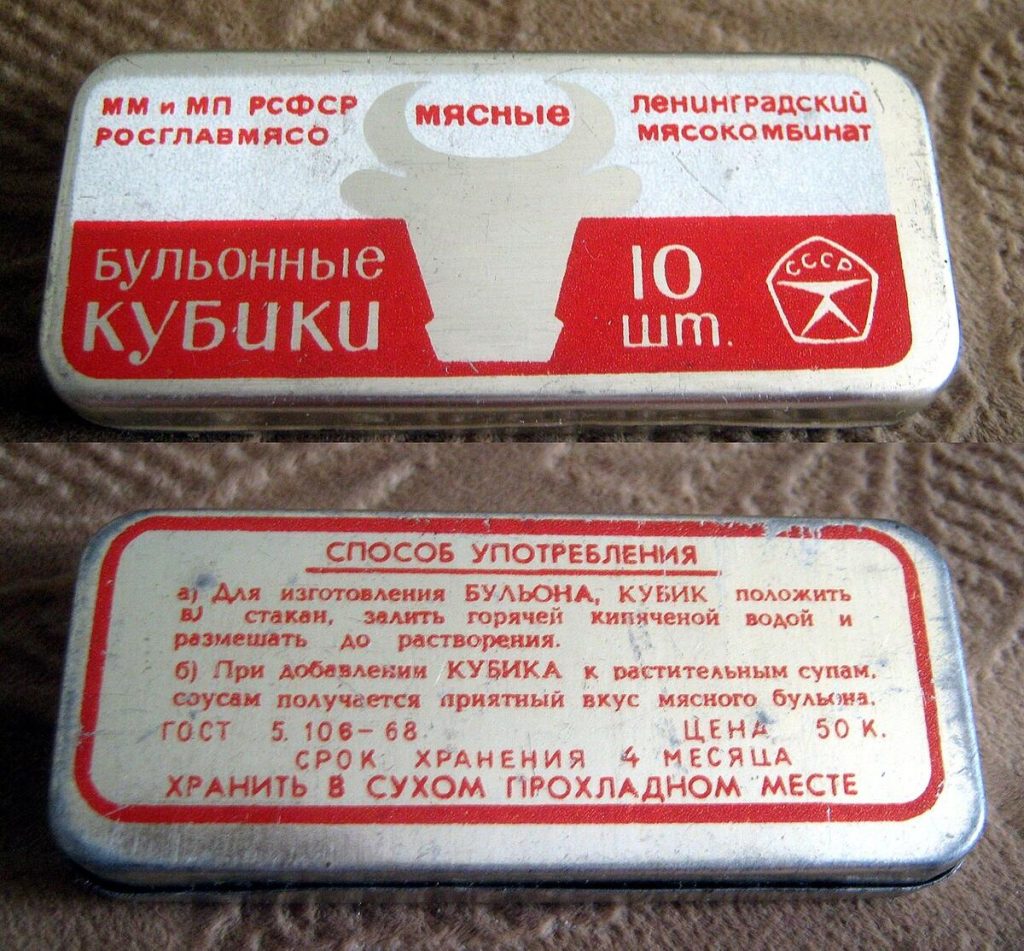
Commercial products start from the same idea but concentrate it. Ingredient lists differ between brands, so always read the one on your pack, but you will commonly see salt, vegetable fat or oil, flavour extracts or yeast extract, dried vegetables, herbs and spices, sugar or starch to bind the cube, and sometimes flavour enhancers. Meat versions contain meat extract or fat; vegetable versions use vegetable extracts. A fuller overview of how the cube format developed is on the Wikipedia page about bouillon cubes.
Because salt acts as both a flavour and a preservative, a single cube can contribute a significant share of the salt you might want in a meal. If you are watching your intake, look for reduced-salt versions and use less than the pack suggests.
How to use bouillon in the kitchen
Once you define bouillon as a flavour base, its uses become obvious. It works anywhere you would otherwise use plain water in a savoury dish.
- Soups and stews: dissolve in hot water for an instant base for lentil soup, minestrone or beef stew.
- Rice, couscous and grains: cook them in bouillon instead of water for extra depth.
- Gravy and sauces: whisk into pan juices, then thicken with a little flour or cornflour.
- Braising vegetables: a splash stops cabbage, leeks or fennel from drying out.
- Risotto and pilaf: keep the liquid hot in a separate pan and add it a ladle at a time.
It is also handy for deglazing a pan. After browning meat or mushrooms, pour in a small amount of hot bouillon and scrape up the stuck-on bits, which carry plenty of flavour into the sauce.
How to make a simple bouillon at home
- Roughly chop one onion, two carrots and two celery sticks. Leave the onion skin on if you want a deeper colour.
- Put them in a large pot with a few parsley stalks, a bay leaf and about ten peppercorns.
- Add around two litres of cold water. For a meat version, add a chicken carcass or some beef bones.
- Bring to the boil, then turn the heat down so the surface barely moves. Skim off any foam.
- Simmer for roughly one hour for vegetables, or longer for bones, then strain.
- Season with salt at the end, once you know how concentrated it has become.
Cool it quickly, then refrigerate. Homemade bouillon should be used within a few days or frozen in portions. Ice-cube trays are a neat way to freeze small amounts for sauces.
Storing bouillon and avoiding common mistakes
Dry cubes and powders should be kept in a cool, dry cupboard with the lid tightly closed, because they absorb moisture and turn into a hard lump. Check the date and the storage advice on the pack; pastes and opened jars often need refrigeration. If you want to know more about food safety basics, the UK’s Food Standards Agency has guidance at food.gov.uk.
Common mistakes are easy to avoid:
- Salting a dish before tasting it once the bouillon has been added.
- Boiling hard, which makes homemade broth cloudy and sometimes bitter.
- Assuming a vegetable cube is automatically free of allergens, gluten or celery.
- Reducing a bouillon-based sauce too far, which concentrates the salt.
If you enjoy exploring food terms, our explainer on what it means to brine a turkey covers another salt-led technique, and you might also like to see what animal makes pepperoni for a look at another common ingredient question.
Frequently asked questions
Is bouillon the same as stock?
Not exactly. Stock is usually made from bones and has body but little seasoning, while bouillon is a seasoned, clear broth. In everyday cooking they are often swapped, as long as you adjust the salt.
Is bouillon vegetarian?
Only if it says so. Many cubes contain meat extract or animal fat, while others are fully plant-based. Look for a vegetarian or vegan mark and read the ingredients.
How much water do I use for one bouillon cube?
Most brands suggest roughly 250 to 500 millilitres per cube, but the amount varies, so follow the pack instructions and taste as you go.
Does bouillon go off?
Dry cubes and powders last a long time when kept dry and sealed, but they have a best-before date. Homemade bouillon should be chilled and used within a few days, or frozen.
Can I use bouillon instead of salt?
It can add both salt and flavour, but it is not a low-salt option. Use it in place of some of the salt in a recipe, not in addition to it.
Conclusion
To define bouillon simply, think of it as seasoned, strained broth, whether you simmer it yourself or stir it from a cube. Knowing what goes into it helps you cook with a lighter hand on the salt, choose the right product for your diet and get far more flavour from simple dishes.
Key takeaways about define bouillon
Here is a short summary of define bouillon so you can find the main points quickly.
- If you need to define bouillon in one sentence, it is a clear, savoury liquid made by simmering meat, poultry, fish or vegetables in water with aromatics, then straining out the solids.
- In classical French cooking, bouillon is the basic cooking liquid that results when you simmer ingredients in water for a long, gentle spell.
- The two are close relatives rather than identical twins.
- Cooks argue about this, and the terms vary between countries and recipe books.
Save this guide to define bouillon so you can find it again whenever you need a quick reminder.
If you only remember one thing about define bouillon, make it the practical steps covered in this guide.
Check official sources before acting on anything related to define bouillon, because details can change over time.
Questions about define bouillon are common, so it helps to compare more than one trustworthy source.
Use this page as a starting point for define bouillon and come back to it when your situation changes.
Related reading:
- How Does a Brita Pitcher Work? Filter Basics Explained
- Air Fryer Ribs Reheat: Juicy Leftovers in 15 Minutes
For general background, you can look up define bouillon on Wikipedia.